In an industrial landscape shaped by rapid digitalization and rising performance requirements, choosing the right industrial PC manufacturer is more critical than ever. At PSB GmbH, we draw upon three decades of engineering experience to design and deliver PC-based solutions tailored for the most demanding environments. The market for industrial PCs in 2026 is evolving rapidly, with new form factors, stricter standards, and innovative applications driving higher expectations for durability, flexibility, and integration. Understanding the spectrum of available system types and configurations is essential to meet these diverse challenges. We recognize that each application demands its own unique combination of hardware, protection features, and adaptability. This is why our approach emphasizes close collaboration, technical rigor, and a steadfast focus on customer-specific requirements.
What is an Industrial PC?
An industrial PC (IPC) is a computer system specifically engineered for deployment in demanding industrial environments. Unlike standard office PCs, IPCs feature increased robustness, extended temperature ranges, EMI protection, robust enclosures, and long product lifecycles. They are typically used for automation, control, visualization, and data collection tasks—making them fundamental components in sectors such as manufacturing, process automation, pharmaceuticals, and smart infrastructure.
One important distinction is that industrial computers are tailored for B2B scenarios and often must adhere to strict international certifications such as CE, FCC, RoHS, and ISO 9001. They are also typically designed for integration within complex systems, sometimes as edge nodes supporting IoT and AIoT solutions. For applications requiring hygiene and secure access, such as dental practices, you may want to explore the article on Dental PC Systems: Cloud, Security & Efficiency Guide.
Key Industrial PC Form Factors
Industrial PCs come in several form factors to suit various applications and installation environments. The primary categories include:
Panel PC
Panel PCs integrate a display and computing unit into one enclosure. These are ideal for HMI (Human Machine Interface) applications, especially on shop floors and in machinery control panels. Their rugged touch panels often feature high IP ratings (like IP65) for dust and water protection. For a deep dive into touchscreen solutions and their role in smart automation, see Industrial PC Touch Screen: Smart Automation Solutions.
Box PC
Box PCs, sometimes called embedded PCs, are compact computers designed for flexible installation (DIN rail, wall, or inside enclosures). They usually have no built-in display, allowing for “headless” operation or external display connection. Box PCs are commonly fanless, ensuring silent and dust-resistant functioning suitable for industrial panel enclosures (e.g., Schaltschrank PCs).
Rack PC
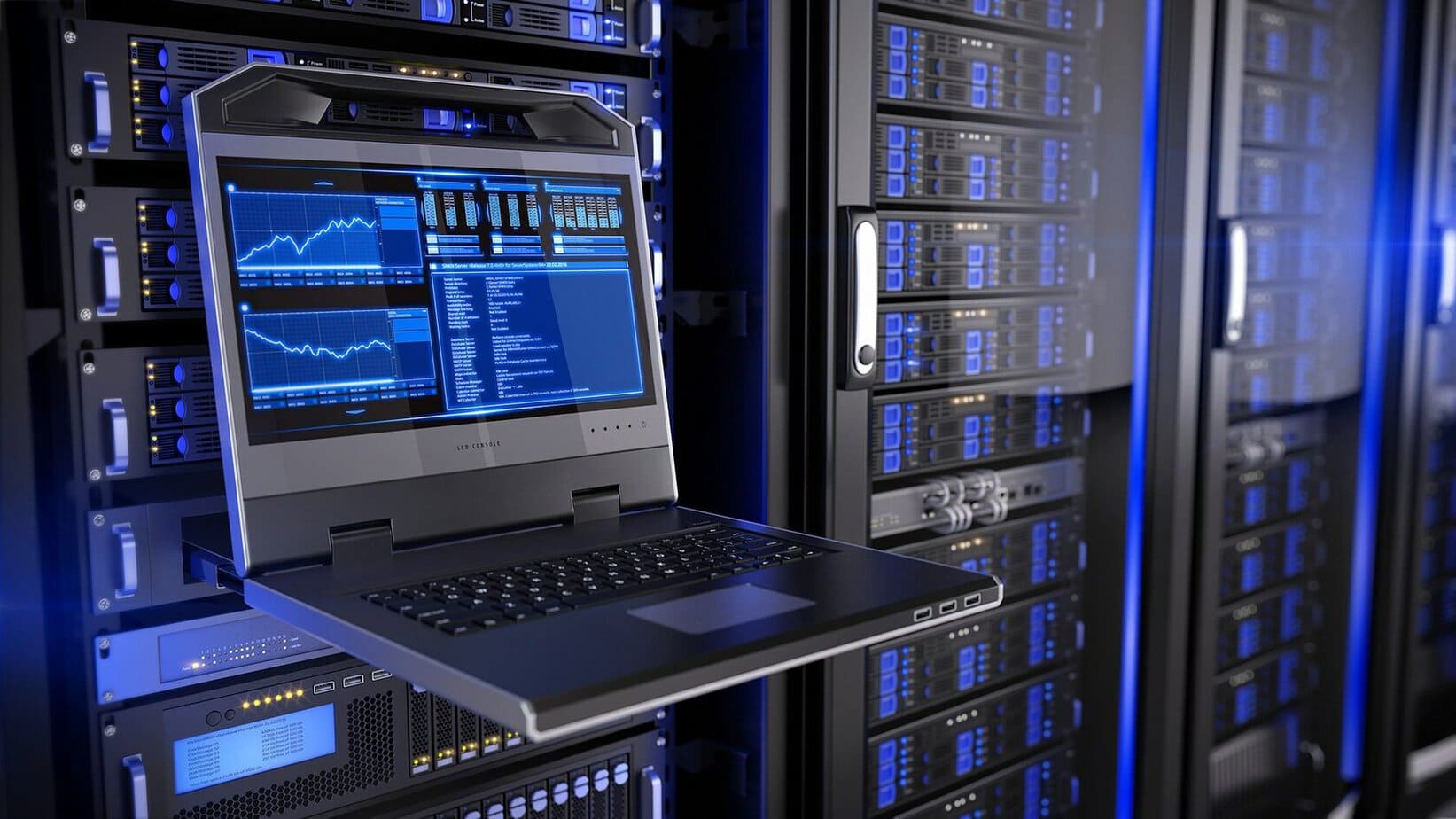
Rack PCs are tailored for installation in standardized 19” racks, typically found in server rooms and automation cabinets. Their scalable nature makes them suitable for high-performance computing, virtualization, and edge data processing. If you need portable compute power, the guide Mobile Workstation Rackmounts: Top 16U Portable Picks provides practical insights.
Embedded PC
Embedded PCs are ultra-compact versions of Box PCs. Engineered for specific control or sensor tasks, they are widely used as edge computing nodes, IoT gateways, or in autonomous equipment, supporting long lifecycles and low total cost of ownership (TCO).
Core Technical Components and Specifications
The technical backbone of an industrial PC encompasses several vital specifications that directly impact performance and longevity in industrial environments:
- CPU Generations: Modern IPCs leverage energy-efficient and powerful CPUs, ranging from Intel Core and Celeron to ARM-based chips for embedded applications. Choosing the correct CPU is critical for real-time applications (e.g., motion control), virtualization, or AI inference.
- RAM: Memory options include standard and ECC RAM (Error-Correcting Code), vital for reliable operations. Newer modules such as LPDDR5 offer enhanced bandwidth and efficiency.
- Storage: Storage solutions span SSD, HDD, M.2, and PCIe NVMe, allowing trade-offs between speed, capacity, and resilience against vibration and shock.
- GPU & AI Acceleration: For AIoT and vision applications, integrated GPUs (e.g., NVIDIA RTX, Jetson Orin Nano, Hailo-8) enable real-time edge inferencing and advanced visualization.
- Interfaces: Industrial PCs feature multiple Ethernet/LAN ports, serial interfaces (RS-232/485), fieldbus connectors (PROFINET, EtherCAT), digital I/Os, and expansion slots (PCI/PCIe) to connect a wide range of sensors, PLCs, or peripherals.
- Protection & Durability: Devices comply with robust ingress protection (IP65 and beyond), meet extended temperature (-20°C up to +70°C), and are designed to withstand high vibration, shock, and EMV requirements. Detailed protection level evaluation can be found at Rugged PC IP65/IP67: Comparing Protection Levels.
- Fanless Design: Many IPCs are completely fanless—minimizing dust ingress and ensuring silent operation. Fanless systems are essential in harsh or noise-sensitive industrial environments.
- Operating System Support: Support for industrial-grade Windows and Linux, plus secure update and remote management capabilities, is another must-have for contemporary applications.
- Certifications: Compliance with international industrial standards and certifications is necessary for legal operation and future-proofing (CE, RoHS, EMC).
Typical Use Cases for Industrial PCs
Industrial PCs are designed for a broad spectrum of industrial applications. Examples include:
- Machine and Plant Control: Real-time control systems using Panel PCs or Embedded PCs for efficient automation and monitoring.
- Process Visualization and HMI: Panel PCs with touchscreen interfaces provide reliable and user-friendly visualization in environments from food manufacturing to energy plants.
- Data Acquisition and Edge Computing: Box PCs or embedded PCs collect, pre-process, and transmit machine data—crucial in predictive maintenance and condition monitoring scenarios.
- IoT/AIoT Applications: IPCs equipped with suitable AI accelerators and IoT communication modules facilitate smart manufacturing, logistics, and real-time quality control.
- Rack-mounted Data Centers: High-performance rack PCs are regularly deployed for virtualization, central control, and high-throughput tasks in centralized locations.
- Industrial Mobile Workstations: When high flexibility is needed, mobile rackmount systems are employed, as explored in Mobile Workstation Rackmounts: Top 16U Portable Picks.
- Quiet Operations: For sensitive zones where noise pollution must be reduced, there are specialized silent solutions. Refer to Quiet Server for Office: Best Solutions for Calm Work for best practices in these environments.
Selection Criteria for the Right Industrial PC
Choosing the most suitable industrial PC for your project requires careful assessment of several factors. Here is a practical checklist:
- Define Usage Scenario: Identify whether the IPC functions as HMI, data logger, edge node (Edge PC), or controller, and what specific industrial environment it will operate in.
- Performance Requirements: Analyze processing, memory, and storage needs, considering virtualization, multiuser operation, or AI/ML capabilities.
- Form Factor Selection: Decide between Panel PC, Box PC, Embedded PC, or Rack PC, based on installation site (cabinet, shop floor, control room).
- Environmental Conditions: Ensure suitability for dust, vibrations, extended temperature, humidity, and necessary IP protection level.
- Connectivity: List all required physical network (LAN) ports, serial and fieldbus interfaces, digital I/O, and wireless/IoT options.
- Lifecycle and TCO: Evaluate total cost of ownership—including long-term availability, continuity of spare parts, and remote management/updates.
- Certifications & Compliance: Check adherence to required industrial standards (CE, ISO, RoHS, FCC), especially for regulated industries.
- Fanless Operation: Opt for fanless designs where maintenance-free and silent operation are crucial (lüfterloser Industrie PC).
- Software & Security: Validate compatibility with target OS, secure boot, and access management—key for critical infrastructures and GDPR compliance.
A systematic approach to these criteria ensures that your industrial PC meets both current and future B2B requirements. Touch-centered environments, for example, benefit from robust touch panels, as detailed in the article Industrial PC Touch Screen: Smart Automation Solutions.
Trends and Developments in Industrial PCs (2026)
The landscape of industrial PCs continues to evolve sharply, driven by advancements in hardware, connectivity, and software. Key trends for 2026 include:
- Edge Computing & AIoT: Massive growth in edge-based processing shifts workloads from centralized data centers to local edge nodes, reducing latency for AI and real-time analytics. AI accelerators onboard IPCs will be standard for machine vision, predictive maintenance, and quality control applications.
- Fanless High-Performance IPCs: Enhanced passive cooling designs allow for high-power CPUs and GPUs in fully fanless enclosures, combining robustness with minimal maintenance across extreme environments.
- Industrial IoT Integration: Seamless adoption of IoT communication protocols (e.g., MQTT, OPC UA, Time-Sensitive Networking) embedded directly into IPC firmware, driving smarter factories and connected supply chains.
- Ruggedized, Miniaturized Designs: Continued miniaturization and advanced materials mean even embedded PCs meet stringent requirements for vibration, shock, and electromagnetic compatibility, while providing higher compute density.
- Lifecycle and TCO Optimization: Vendors focus on offering long-term supply guarantees, advanced remote management, and predictive maintenance tools—reducing total cost of ownership and extending operational lifespan.
- Tighter Cybersecurity: With increasing connectivity, secure boot, TPM hardware modules, and real-time monitoring are integral to defending against industrial cyber threats.
FAQ About Industrial PCs
- What distinguishes an industrial PC from a commercial desktop?
- Industrial PCs are engineered for durability, reliability, and long-term availability, built with industrial-grade components, increased protection, extensive I/O options, and compliance certifications.
- Can industrial PCs run standard operating systems?
- Yes, most IPCs support Windows and Linux distributions, with many tailored for industrial automation (real-time Linux, Windows IoT Enterprise).
- What is the advantage of a fanless industrial PC?
- Fanless IPCs are maintenance-free, silent, resistant to dust and debris ingress, and ideal for food, pharmaceutical, and cleanroom applications.
- When should I choose a Panel PC versus a Box PC?
- Panel PCs are optimal for HMI or visualization directly on machines. Box PCs are preferable when flexible or remote mounting is needed, often inside cabinets.
- What does IP65 mean for industrial PCs?
- IP65 denotes full protection against dust ingress and water jets. For a comprehensive protection level comparison, visit Rugged PC IP65/IP67: Comparing Protection Levels.
- How do I ensure long-term compatibility?
- Choose manufacturers with guaranteed long-term supply, validated industrial certifications, and robust lifecycle management.
- Are industrial PCs suitable for Edge Computing?
- Yes, modern embedded and box IPCs are designed as edge nodes, enabling decentralized processing for IoT and AI-based applications.
The decision-making process when selecting an industrial PC—taking into account form factors, compliance standards, and long-term operability—directly impacts operational continuity and success. PSB GmbH’s long-standing practice of developing customized, thoroughly tested solutions ensures reliability, scalability, and future readiness for our clients. Our expertise covers the entire value chain, from prototype development to serial production, allowing us to respond flexibly to evolving industry trends and challenges. With a proven track record in manufacturing systems for harsh and regulated environments, we stand as a trusted partner for forward-looking businesses. As technological needs continue to grow, we are committed to delivering resilient, innovative industrial PC solutions that empower our partners for the future.