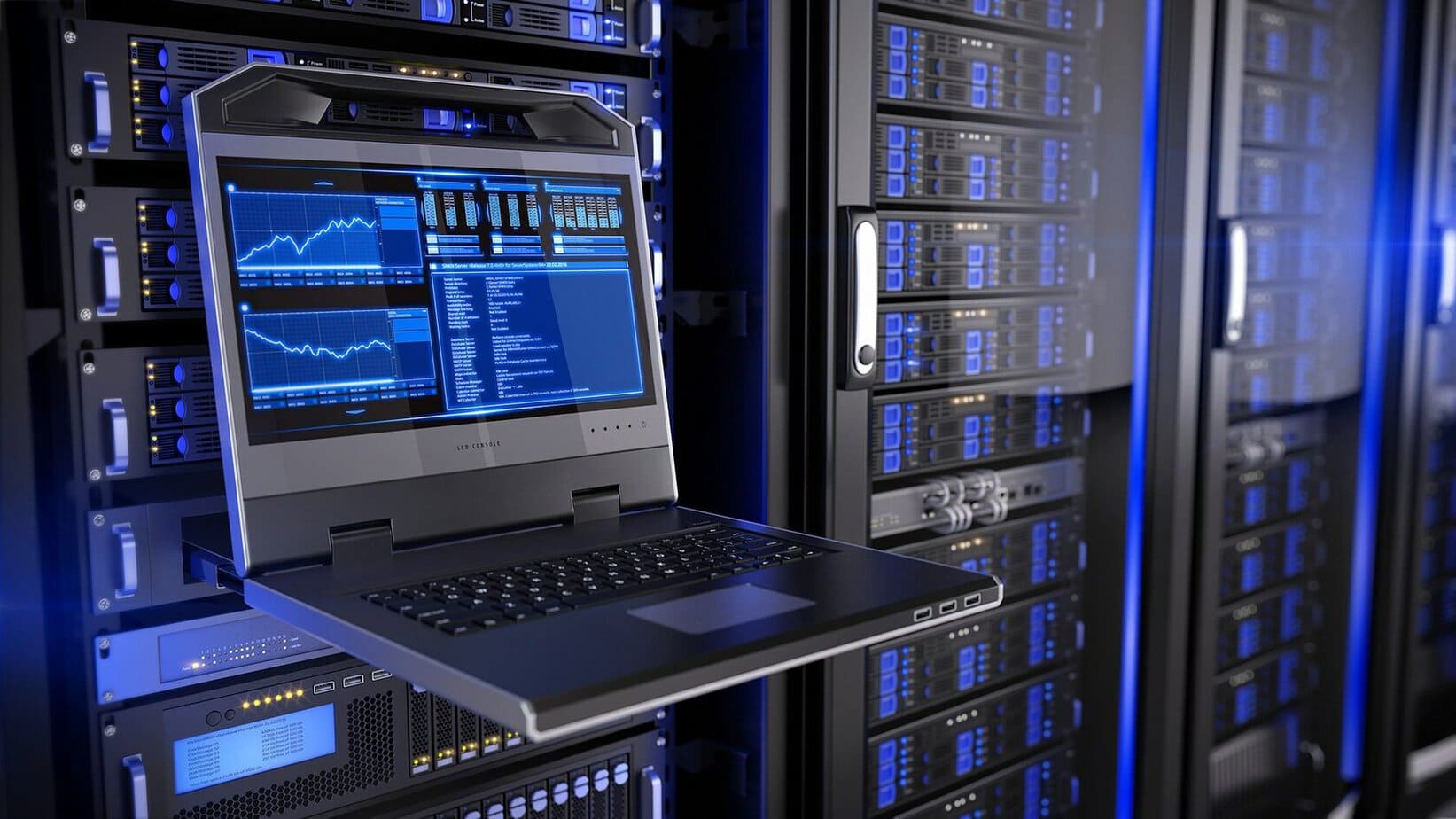
At PSB GmbH, we understand the rigorous demands placed on industrial PCs in automotive applications. Our engineering teams have decades of experience designing robust, PC-based hardware solutions that withstand the dynamic environments of vehicles, from fluctuating temperatures to continuous vibration. Every system is tailored to meet stringent automotive standards, with careful attention to protection classes, electromagnetic compatibility, and endurance under real-world conditions. We pride ourselves on working closely with our customers, offering bespoke configurations that integrate seamlessly into existing vehicle architectures. Through in-house development, manufacturing, and extensive testing, we ensure each solution is reliable and ready for deployment in critical automotive settings.
What is an Industrial PC and Its Role in the Automotive Sector?
Industrial PCs (IPC) are rugged, reliable computer systems designed specifically for use in challenging and mission-critical environments such as automotive manufacturing and connected vehicles. Unlike standard office computers, industrial PCs are built to withstand intense vibrations, shocks, and extreme temperatures frequently encountered on production lines, within vehicles, or at test benches. Their durability and capacity for 24/7 permanent operation are ensured by specialist cooling solutions (such as fanless designs), robust housing, and certified industrial-grade components.
In the automotive sector, the use of PC industriel automobile underpins the digital transformation. They are indispensable in scenarios requiring high data processing, real-time controls, automation, and direct communication with industrial sensors, actuators, and IIoT devices. Panel PC industriel auto variants enable intuitive interactions via touchscreens for operators on the shop floor and in mobile settings.
Key Advantages of Automotive Industrial PCs
- Resistance to vibrations and shocks: Designed for ISO 16750 compliance, suited for vehicle integration.
- Long lifecycle & availability: Essential for systems supporting large-scale vehicle production and aftersales.
- Customized connectivity: Serial, CAN bus, and multiple I/O ports to interface with automotive systems and test equipment.
- Certified reliability: Compliance with automotive and industry standards for electromagnetic compatibility (EMC), ingress protection (IP-rated), and temperature range.
- Advanced computing on the edge: On-board AI, edge computing (e.g., vision analysis, ADAS processing).
For extended insights into durability and rugged solutions for harsh industrial conditions, discover hardware for permanent operation relevant to the automotive environment.
Specific Applications in the Automotive Industry
The deployment of Industrie PC automotive solutions spans the complete value chain in modern car manufacturing and beyond. Their resilience and adaptability turn them into the backbone for both classic and emerging applications.
- Production Line Automation – Real-time coordination of robotic lines, SCADA/HMI interfaces for monitoring, quality control, and predictive maintenance through AI-powered analytics. See how PC-based automation transforms modern industry.
- Connected and Embedded Vehicle Systems – PC embarqué véhicule manage telematics, infotainment systems, diagnostics, and onboard edge AI modules supporting ADAS (Advanced Driver Assistance Systems).
- Test Benches & Validation – Accurate execution and recording of vehicle component stress-tests, real driving simulation data logging, and battery cell lifecycle testing.
- Logistics and Traceability – Managing supply chain, warehouse automation, RFID tracking, and vehicle distribution networks, as explored in our focus on industrial PC applications in logistics.
- Mobile Workstations for R&D – High-performance platforms, often with GPUs, for on-site research, data acquisition, and prototyping, such as the systems highlighted in mobile workstations for research.
Use Case Examples
| Application | Requirements | Industrial PC’s Role |
|---|---|---|
| EV Battery Production | Extreme temperatures, automated precision control, traceability | SCADA HMI integration, IO port diversity, IEC standard compliance |
| ADAS Real-time Processing (Edge AI) | Machine vision, GPU integration, vehicle shock/vibration resistance | Fanless PC with dedicated GPU, IP-rated housing, ISO 16750 certified |
| Automated Guided Vehicles (AGV) | Low-latency control, wireless reliability, mobile power efficiency | Compact embedded IPC with wireless, robust power design, modular IO |
Industrial PC vs PLC: Which Is the Choice for Automotive?
The choice between an Industrial PC (IPC) and a Programmable Logic Controller (PLC) in automotive environments is central to system architecture. Both offer robust solutions, but their strengths and typical use-cases differ. The evolution toward Industry 4.0 and the rise of PC vs PLC automotive solutions have blurred traditional boundaries, especially for tasks combining control and high-level data analysis, such as predictive quality and logistics optimization.
| Industrial PC | PLC | |
|---|---|---|
| Processing Power | Multi-core CPUs, GPU capable for edge AI & vision | Deterministic, dedicated for logic control |
| Flexibility | Runs Windows/Linux, supports SCADA, Big Data, IoT | Closed OS, proprietary, optimized for fixed tasks |
| Connectivity | High-speed Ethernet, multiple I/O, CAN, automotive bus systems | Classic fieldbus, limited industrial protocols |
| Adaptation for Automotive | Edge analytics, vision, traceability, HMI/SCADA | Core repetitive process control (actuators, safety PLCs) |
For automotive scenarios demanding high-throughput computing, extensive networking, and adaptability, industrial PCs are favored. For ultra-reliable, safety-critical logic and actuator control, PLCs remain essential. Increasingly, hybrid architectures leverage both—using IPCs for analytics and SCADA supervision, PLCs for plant-level deterministic control.
Selecting the Right Industrial PC for Automotive Needs
Choosing a pc industriel pour production automobile requires an in-depth assessment of environmental, regulatory, and functional needs. Automotive deployment—be it in manufacturing or as a PC embarqué véhicule—demands a precise match between hardware specification and intended usage. Below, key considerations are outlined for B2B buyers:
- Environmental Robustness – Adherence to ISO 16750 and IP-ratings for resistance to vibration, shock, humidity, and temperature extremes. Rugged industrial solutions explore these essentials in detail.
- Connectivity and Expansion – Sufficient I/O (CAN, LIN, ethernet, USB), GPU integration for AI/vision, modularity for evolving automotive protocols.
- Certification – Automotive safety and EMC certifications, software validation for critical applications.
- Form Factor & Mounting – Compact or panel mounting for in-vehicle applications, rack/desktop for test benches/production lines.
- Longevity & Long-Term Support – Ensuring Longzeitverfügbarkeit and secure firmware/software lifecycles over at least 7-10 years for automotive aftersales needs.
- Silent & Fanless Operation – Fanless systems reduce maintenance and risk in production lines. Discover more in Industrial Silent PC: Fanless Solutions for Production.
Future Trends: Industry 4.0 and Autonomous Vehicles
The Industrie 4.0 automobile revolution and the rise of connected and autonomous vehicles are driving the convergence of IT and OT. Next-gen industrial PCs will play a pivotal role in supporting real-time edge computing, advanced AI—including machine learning for quality predictivity, self-optimizing logistics, and embedded safety-critical ADAS functions.
Emerging Trends:
- Edge AI: In-vehicle processing of sensory data (lidar, radar, video) for environment perception and autonomous mobility.
- Integrated IoT platforms: Enabling seamless vehicle-to-cloud connectivity, remote diagnostics, and update-over-the-air (OTA) operations.
- Big Data & Predictive Analytics: Leveraging factory/vehicle data for continuous improvement, defect prediction, and supply-chain optimization.
- Modular and upgradeable IPCs: Adapting quickly to new ADAS algorithms, cybersecurity standards, and connectivity protocols.
As automotive systems grow more complex, the synergy between industrial PCs and specialized automation platforms will shape the future of reliable, data-driven mobility. For a detailed exploration of logistics applications and future-proofing strategies, visit our page on industrial PC logistics—applications & trends 2025.
Robust industrial PCs are crucial for the safe, efficient, and reliable operation of automotive systems. With over 30 years of expertise, PSB GmbH has established itself as a trusted partner for automotive manufacturers seeking durable, tailor-made computing solutions. Our flexible production approach, strict quality controls, and commitment to serviceability provide a foundation that customers can rely on for the long term. We continuously anticipate the evolving requirements of the automotive sector, integrating innovative technologies and best practices into our hardware designs. Looking ahead, we remain dedicated to supporting our partners with enduring, advanced solutions that meet tomorrow’s challenges.