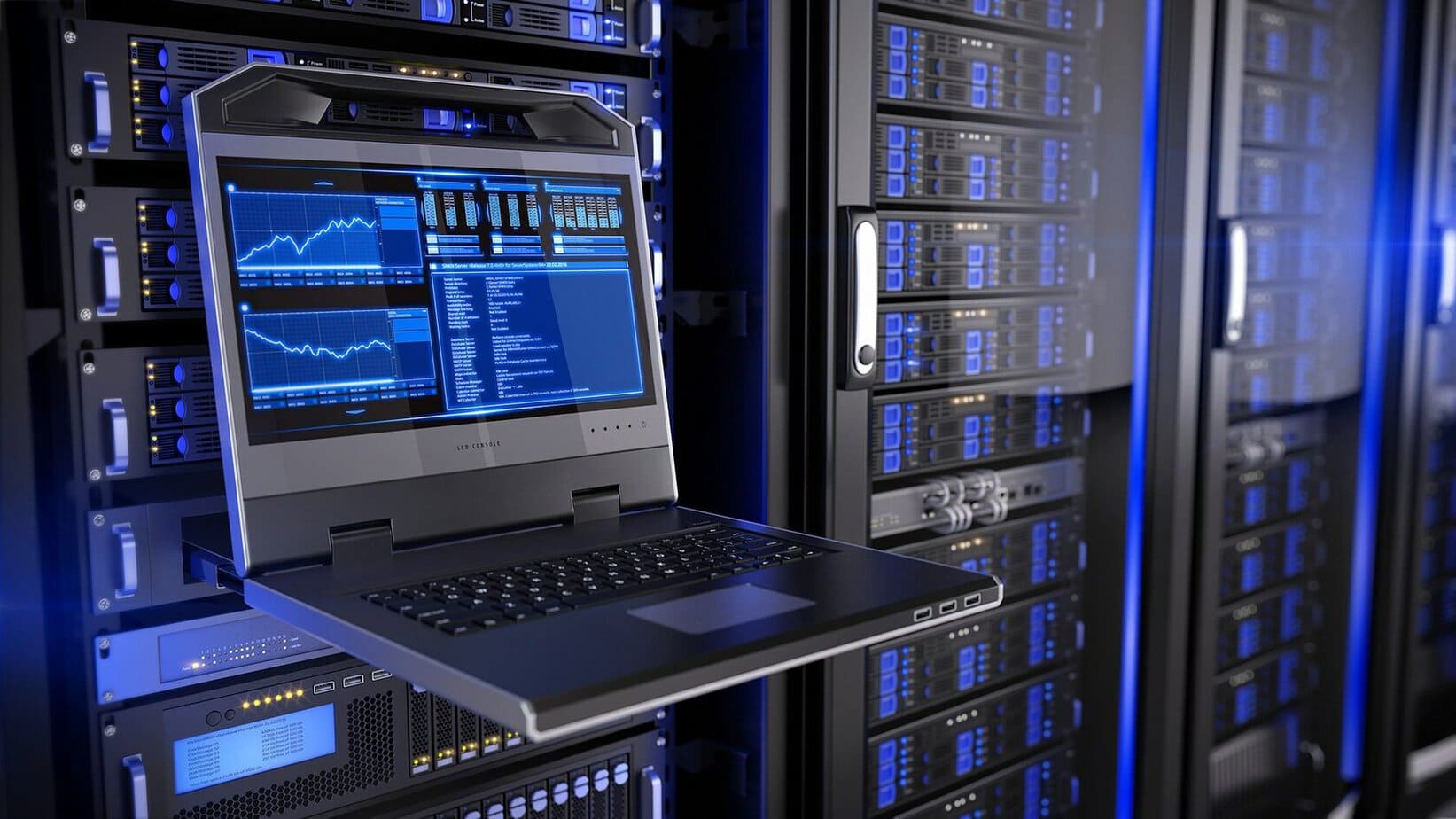
At PSB GmbH, we recognize that reliable and adaptable computing solutions are essential for modern industrial and medical environments. Industrie Panel PCs embody the convergence of robust design and advanced technology, serving as the operational backbone in demanding settings. As specialists with over three decades of experience in engineering and manufacturing, we are committed to tailoring PC-based systems that address diverse application needs, whether for complex machine controls, user interfaces, or data acquisition. Our approach emphasizes durability, environmental resilience, and precise adaptation to customer requirements, ensuring each system performs flawlessly within its intended context. By leveraging our in-house expertise and manufacturer-neutral philosophy, we deliver solutions that exceed expectations for performance and dependability.
What is an Industrial Panel PC?
An Industrial Panel PC is a specialized computer system designed for challenging industrial environments. Unlike standard office PCs, these systems are integrated into a single enclosure, often featuring a touchscreen display (including multitouch capabilities) and robust electronics tailored for 24/7, continuous operation. Panel PCs serve as a central HMI (Human Machine Interface), enabling seamless interaction between operators and automated machinery. Their design combines the reliability of an Industrial PC with the user-friendliness of a modern touchscreen interface, making them pivotal in automation and visualization applications.
The all-in-one design means critical components—such as CPU, RAM, storage, and network ports—are housed behind the display, ensuring protection from dust, water, vibration, and electromagnetic interference (EMC).
Technical Features and Protection Classes
Ruggedness and Protection
Industrial Panel PCs are engineered for ruggedness. They meet stringent protection classes, including IP65, IP68, and IP69 ratings. These standards indicate resistance to water, dust, and even high-pressure washing, critical for sectors like food & beverage or pharmaceuticals where hygiene environments are paramount. Stainless steel enclosures are common for easy cleaning and corrosion resistance.
- IP65: Dust-tight and protected against water jets
- IP68: Protection against continuous immersion
- IP69: Withstands high-pressure, high-temperature wash-downs
Panel PCs also embody EMC stability, resisting electromagnetic disturbance, which is essential in environments with heavy machinery. For more details on EMC compliance and its benefits, refer to EMC Tested Industrial PC: Importance & Benefits.
Touchscreen Technologies
- Capacitive (PCAP): Supports multi-touch, glass surface, found in high-end HMI applications
- Resistive: Single-touch, works with gloves and stylus, preferred for rugged or hygiene-critical sectors
Panel PCs often allow for optional upgrades, including glove-friendly touch or enhanced sunlight readability for outdoor use.
Hardware and Modularity
Key internal specifications include:
- CPU: From entry-level Atom to high-performance Intel Core processors
- RAM: Typically up to 32GB, depending on the application
- Storage: SSDs for shock resistance and speed; optional RAID for data safety
- Konnektivität: Multiple Ethernet ports, serial (RS232/RS422/RS485), USB, Wi-Fi, and optional fieldbus extensions
Many Panel PCs are modular or customizable, supporting additions like NFC, RFID, or barcode readers. This flexibility allows adaptation to diverse industrial requirements.
Some devices feature passive cooling—no fans—which reduces maintenance and increases reliability, particularly relevant in dusty or silent environments. For a full guide on fanless reliability, see Fanless Embedded System: Your Guide to Silent Reliability.
Typical Industrial Application Areas
- Factory Automation: Process control, machine operation, and monitoring as central HMI
- Manufacturing: Quality inspection, data collection, visualization
- Food & Beverage Industry: Compliance with hygiene protocols, IP69 enclosures, stainless steel
- Pharmaceutical Industry: Cleanroom operation, contamination control, compliance with strict regulations
- Vehicle & Mobile Machinery: Rugged Panel PCs for operator cabins in forklifts, harvesters, or trains
- Energy & Utilities: Remote monitoring and SCADA terminals for wind, water, or power facilities
For mobile and flexible work scenarios, Panel PCs can also serve as portable workplace computers in maintenance or logistics hubs.
Advantages and Challenges of Panel PCs
Advantages
- Reliability: Robust, vibration-resistant, and built for 24/7 operation. For further details on long-term performance, see Industrial Computer for 24/7 Use: Reliable & Durable.
- Simplified Operation: All-in-one design reduces cabling, saves space, and allows for intuitive touch operation
- Flexibility: Modular upgrades adapt to changing process requirements
- User-Friendliness: Touchscreen interfaces streamline operator training and workflow
- Continuous Data Collection: Real-time monitoring, logging, and visualization
- Enhanced Hygiene: Smooth surfaces and sealed housings for cleanrooms and food processing
- EMC Stability: Essential for environments with powerful motors or high EMI
Challenges
- Cost: Significantly higher investment than office PCs—justified by longer lifecycle and lower total cost of ownership (TCO)
- Customization Complexity: Specialized configurations may extend lead times
- Mounting and Accessibility: Requires appropriate mounting kits and can restrict access for maintenance
- Software Validation: Industrial OS and applications often need validation for safety/security
- Temperature Constraints: Extreme environments may demand extra cooling or heating solutions
Selection Criteria: What Should You Look For?
Choosing the right Panel PC is crucial to ensure reliable performance and a good return on investment. Consider the following:
- Application Environment
- Evaluate protection class (IP65/68/69) for water/dust/humidity resistance
- Is stainless steel required for hygiene?
- EMC compliance in heavy industrial settings?
- Touch Technology
- Capacitive for modern, multi-touch needs
- Resistive for gloves or sterile environments
- Performance
- Appropriate CPU, RAM, and storage for application demands
- Is 24/7 continuous operation required?
- Does the workload require a fanless system (Low-Noise Industrial PC)?
- Konnektivität & Expansion
- Sufficient Ethernet, USB, serial ports?
- Options for Wi-Fi, fieldbus, or wireless modules?
- Mounting & Maintenance
- Panel, VESA, or arm mounting?
- Ease of cleaning and accessibility?
- Modularity & Customizability
- Upgradeable components? Additional devices (RFID, barcode readers) needed?
- Vendor Support
- Is long-term support and supply chain continuity ensured?
Future Trends: IoT Integration and Smart Applications
The future of Industrial Panel PCs is closely linked to IoT integration and the evolution of smart manufacturing. Modern Panel PCs increasingly act as nodes in interconnected networks, transmitting real-time data to cloud platforms, enabling predictive maintenance and process optimization. This integration enhances transparency, scalability, and data-driven decision-making across the production landscape.
- Edge Computing: Processing data closer to the machine for reduced latency and bandwidth
- Smart HMI: Contextual user interfaces that adapt dynamically based on workflow and user roles
- Remote Monitoring: Secure VPN connections and remote diagnostics reduce on-site maintenance
- Modular IoT Gateways: Direct sensor/actuator connectivity for streamlined system expansion
- Enhanced Cybersecurity: Secure boot, TPM modules, and encrypted communications become standard
With ongoing developments, Industrial Panel PCs will continue to drive automation, data visualization, and connectivity, cementing their central role in the digital transformation of industry.
The selection of an Industrie Panel PC is a decision that directly impacts system longevity, operational reliability, and adaptability to evolving industrial requirements. Drawing on extensive experience with custom developments and serial production, PSB GmbH provides guidance and support throughout every project phase, from specification to delivery and long-term service. Our commitment to thorough burn-in testing, scalable manufacturing, and full compliance with industry standards underpins every solution we deliver. Proven collaboration and integration capabilities ensure that our systems are not only effective today but also ready for future advancements. We look forward to continuing to drive innovation and dependable engineering for our partners worldwide.