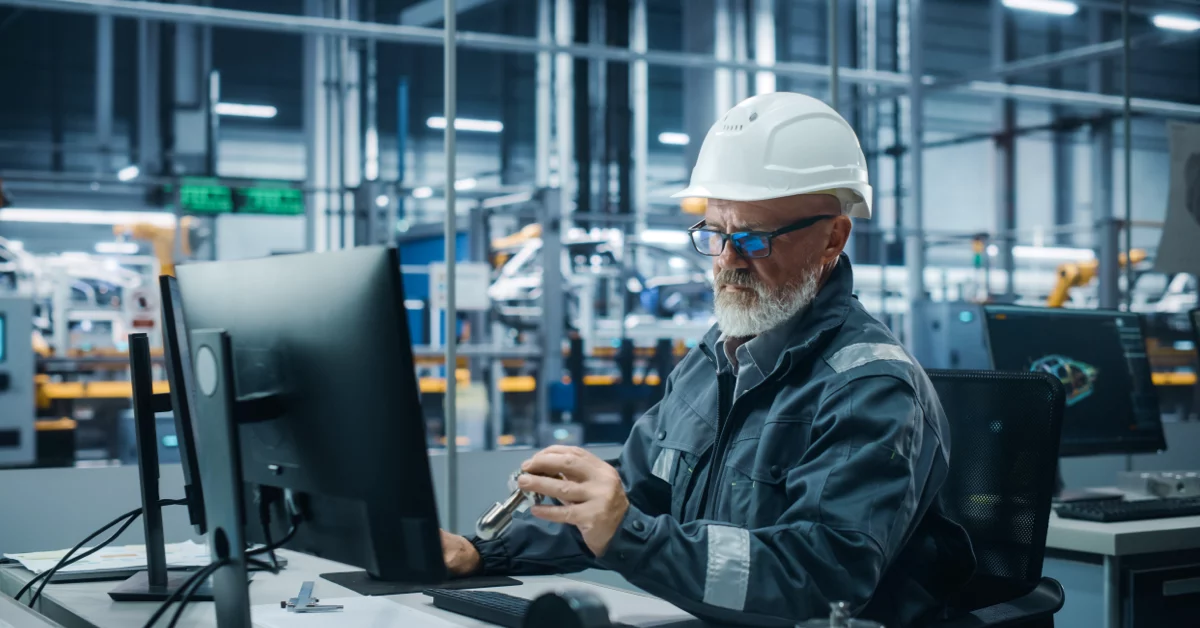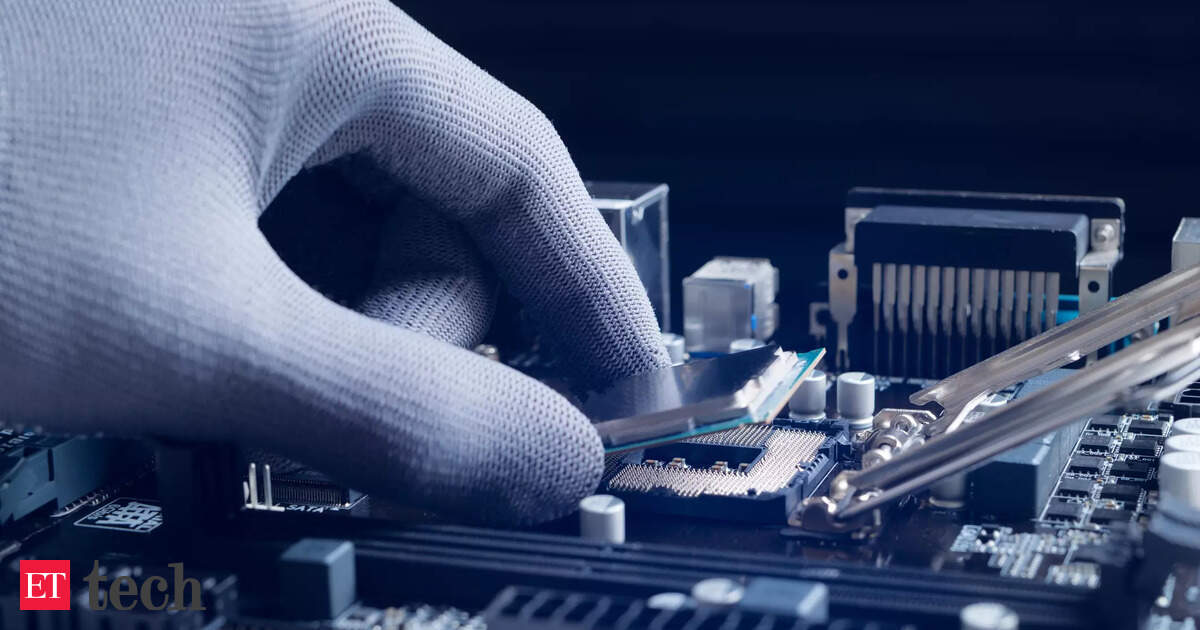
As specialists in engineering and production of robust PC-based solutions, PSB GmbH recognizes the essential role of stainless steel cleanroom PCs within demanding industrial and medical environments. These systems deliver outstanding durability, resistance to corrosion, and seamless cleanability, meeting strict hygienic standards critical for facilities where contamination control is paramount. Our extensive experience with IT hardware design and integration allows us to address complex operating requirements, from extended temperature ranges to IP65 protection and advanced EMC filtering. In selecting the right solution, the key criteria include adaptability to process-specific conditions, compliance with industry standards, and the long-term maintainability of each system. With a manufacturer-neutral mindset, we evaluate all relevant factors, ensuring each project benefits from a tailored hardware approach. Our commitment is to engineering solutions that both anticipate and exceed customer expectations, strengthening reliability at every step.
What is a Stainless Cleanroom PC?
A stainless cleanroom PC is a specialized industrial computer designed for use in environments requiring exceptional levels of hygiene and contamination control. Built to withstand frequent cleaning, disinfection, and exposure to aggressive agents, these PCs typically feature a stainless steel enclosure—most commonly in high-grade alloys such as V2A (AISI 304) or V4A/316—that provide robust corrosion protection and mechanical resilience. Thanks to advanced seamless (gapless) design, high IP protection classes (like IP65, IP66, IP68, IP69K), and frequently fanless operation, these computers minimize ingress points for dust, water, and chemicals and virtually eliminate emission of airborne particles. Cleanroom Panel PCs often come with multi-touch displays, splitter protection, and sometimes antibacterial coatings to offer both operational efficiency and uncompromising hygiene standards.
Key Requirements for Cleanroom Computers
Material Selection and Corrosion Protection
The choice of material is fundamental: V2A or preferably V4A/316 stainless steel is required for applications with frequent disinfection or exposure to aggressive cleaning agents, as it ensures optimal corrosion resistance. V4A (316) meets the highest hygiene, chemical, and corrosion resistance requirements, making it the preferred choice in pharmaceutical and semiconductor industries.
Seamless Hygienic Design
A truly seamless (gapless) construction is crucial to prevent the accumulation of germs and particles. Edges, joints, and interfaces must be meticulously designed or eliminated. The use of antibacterial coatings further enhances hygiene by actively reducing bacterial growth on external surfaces.
Ingress Protection (IP Classes)
Cleanroom Panel PCs must reliably protect against water, dust, and even chemicals. Certifications such as IP65, IP66, and especially IP69K guarantee waterproof and dust-tight enclosures, and—importantly—resistance to high-pressure, high-temperature cleaning processes. For more details on industrial waterproof computing, see our guide Outdoor PC IP67: Your Guide to Waterproof Industrial PCs.
Fanless Operation
A fanless cleanroom PC is essential to avoid airflow-driven (particulate) contamination. Fanless operation also reduces noise and minimizes mechanical wear, supporting reliable, maintenance-free use. Explore the advantages in noise-sensitive settings in our article PC for Noise-Sensitive Environments: Silent & Powerful.
Easy Cleaning and Disinfection
PCs designed for cleanroom use must remain fully operational after frequent cleaning with alcohols, disinfectants, or even hot steam. Surfaces should allow for the removal of all residues without leaving stubborn stains or degraded areas. Fewer mechanical buttons and a multi-touch display facilitate thorough and rapid hygiene cycles.
Mechanical Robustness and Splitter Protection
Panel PCs in industrial environments must guarantee high resistance to impacts, shocks, and vibrations. Features like splitter protection (e.g., using shatterproof glass) are imperative for safety, especially where food, pharmaceuticals, or sensitive electronics are handled.
Advantages of Stainless Steel PCs in Cleanrooms
- Maximum Hygiene: Seamless, antibacterial surfaces inhibit contamination and microbial growth.
- Corrosion Resistance: V2A/V4A galvanized or brushed stainless steel endures aggressive cleaning regimes and disinfecting agents without degradation.
- Simple Cleaning: Smooth, gapless surfaces allow complete and effortless removal of dirt, microorganisms, and chemicals.
- Durability: High-quality materials and robust construction ensure longevity and low maintenance, critical in demanding industrial settings.
- Operational Reliability: Certified IP protection classes, fanless design, and splitter protection reduce the risk of failure and increase uptime.
- Compliance: Meets all requirements for GMP (Good Manufacturing Practice) and FDA-regulated environments.
For workplaces requiring both mobility and hygienic design, see our specialist guide on the Mobile Workstation Medical: Modern IT Solutions for Clinics.
Application Areas and Industry Examples
- Pharmaceutical Production: Strict GMP guidelines demand uncompromising hygiene and contamination prevention. Stainless reinforced Panel PCs resist chemical cleaning agents and ensure long-term process security.
- Food Processing: Frequent washdowns, steam cleaning, and exposure to salts/fats require PC enclosures to be both corrosion-proof and easy to disinfect. Antibacterial surfaces further support food safety protocols.
- Medical and Laboratory Sectors: IP69K Panel PCs allow for frequent, aggressive sterilization. Multi-touch operation reduces touchpoints and supports gloved use.
- Semiconductor Manufacturing: Ultra-clean (high purity) cleanrooms demand PCs emitting no particulates. Fanless technology and seamless enclosures are mandatory.
- Industrial Automation: Harsh environments with dust, chemical splashes, and physical impacts favor the use of robust, stainless computers with fugenlosem Design (seamless design).
For challenging outdoor or mobile applications, explore our overview of Mobile Workstations with Display: Best Picks for Pros.
Selection Criteria and Practical Tips
- Define Hygiene Classes: Determine current GMP, FDA, or ISO cleanroom class requirements. Choose a Panel PC specifically certified or proven for the intended class.
- Check Material Certification: Always require material certificates (V2A/V4A/316) and clarification on chemical resistance.
- Evaluate IP Protection Category: For most food, pharma, and lab environments, IP66 is the minimum; IP69K (jet wash-proof) should be used for the highest cleaning requirements.
- Fanless or Active Cooling? For maximum hygiene and reliability, prefer fanless (passive cooled) devices. More on silent industrial IT is discussed in Fanless Silent Workstation: Powerful & Noiseless.
- Display Design: Opt for multi-touch panels with splitter protection if mechanical buttons are not required (fewer bacteria niches).
- Assess Cleaning Capability: Check with the manufacturer that the device is compatible with frequent disinfection (alcohol, oxidizing agents, steam).
- Maintenance and Longevity: Favor devices rated for high mechanical stress and certified for long-term, continuous operation.
- Documentation: Comprehensive documentation—from IP and hygiene certificates to maintenance records—ensures compliance and easier audits.
FAQ: Frequently Asked Questions About Cleanroom PCs
What distinguishes a cleanroom PC from standard industrial computers?
A cleanroom PC uses stainless steel enclosures (V2A/V4A/316), offers higher IP protection classes (up to IP69K), incorporates a gapless and often antibacterial design, and supports regular intensive cleaning. Standard industrial computers may not meet such stringent hygiene or cleaning requirements.
What is the significance of IP69K certification?
IP69K is the highest protection class, certifying that a device can withstand high-pressure, high-temperature cleaning—even with steam jets. This is critical in industries where absolute cleanliness and regular disinfection are non-negotiable.
Why is fanless operation preferable for cleanroom use?
Fanless cleanroom PCs avoid any emission of airborne particles or redistribution of dust, which is vital for maintaining sterility. Additionally, fanless PCs require less maintenance and are quieter—qualities important in both medical and industrial settings. For more on silent, powerful systems see Fanless Silent Workstation: Powerful & Noiseless.
How do antibacterial coatings work on Panel PCs?
Antibacterial coatings contain silver ions or similar agents that inhibit microorganism growth on surfaces—limiting bacterial survival and lowering infection risks. This is especially valuable in environments with rigorous infection control protocols.
How do I ensure a Panel PC meets my cleanroom requirements?
Ensure the supplier provides verifiable certifications for the key criteria: material (V2A, V4A/316), IP protection (IP66, IP69K), mechanical robustness, and resistance to chemicals and disinfectants. Request long-term maintenance support aligned with your industry’s audit and documentation standards.
Given the stringent requirements of sterile production zones, stainless steel cleanroom PCs represent a crucial investment in operational safety and process stability. PSB GmbH’s decades of expertise ensure that each system is meticulously engineered and rigorously tested for sustained performance even under extreme and variable conditions. By prioritizing flexibility, serviceability, and manufacturer independence, we are able to provide solutions that are both future-ready and individually optimized. Our trusted relationships with global partners and a proven track record in delivering custom-designed hardware reinforce our reliability. Looking ahead, we remain committed to evolving alongside industry needs, providing steadfast support and innovation for our customers’ mission-critical environments.