


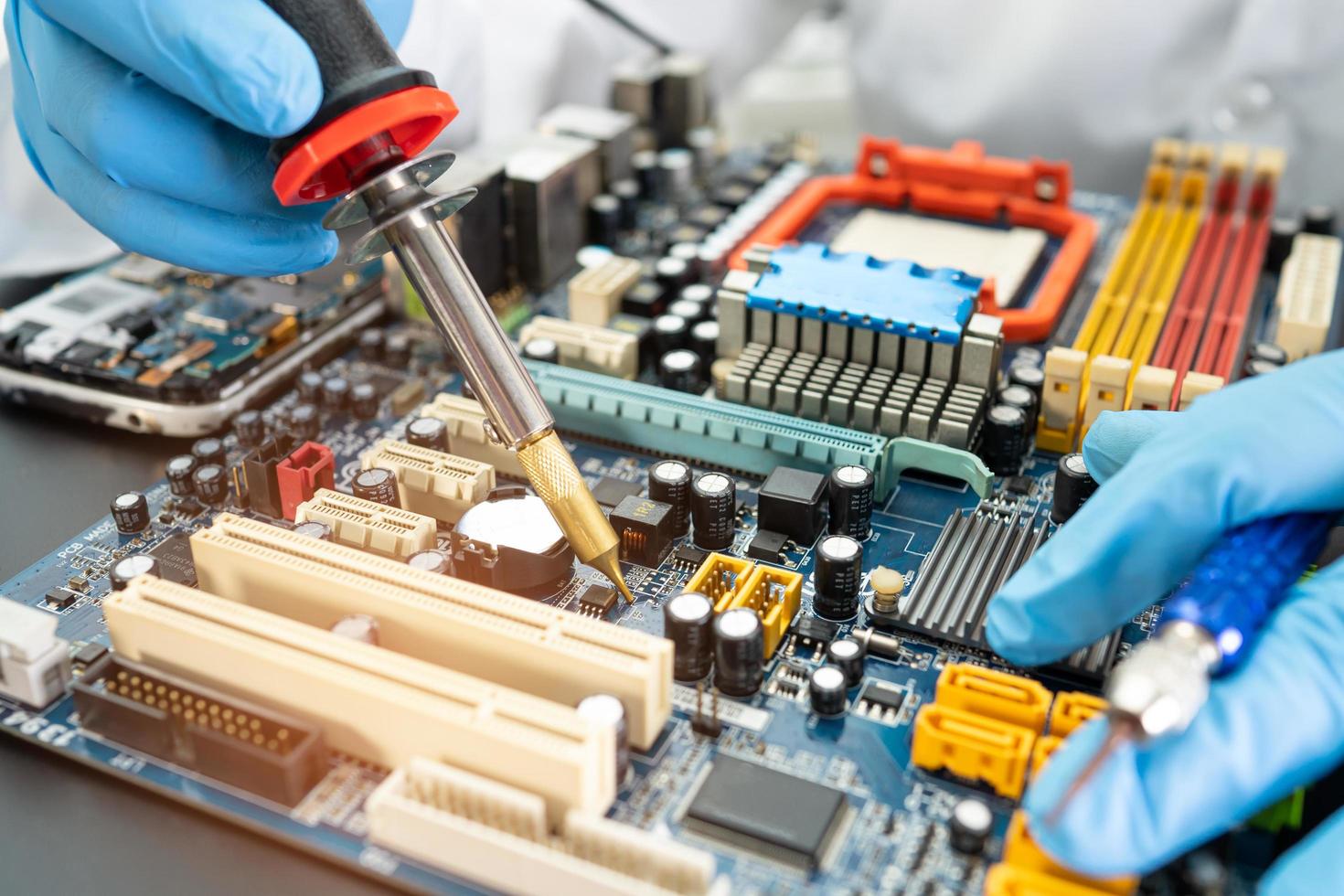
At PSB GmbH, we recognize that silent computing solutions play a critical role in advancing medical technology. Noise-free operation is paramount in sensitive healthcare environments, where patient comfort and precise diagnostics are fundamental. Our approach combines decades of engineering expertise with a deep understanding of operational needs within the medical sector. By providing fanless and acoustically optimized PC-based systems, we ensure that performance is never compromised, even under demanding conditions. Rigorously designed with components rated for reliability and medical safety, our systems help maintain a calm and focused clinical atmosphere. Through close collaboration with medical clients, we deliver tailored, noise-optimized hardware uniquely matched to each application scenario.
Why Noise-Free Operation is Crucial in Medical Technology
In the demanding context of hospitals, clinics, and laboratories, the importance of a noise-free computer for medical technology cannot be overstated. A fanless PC for medicine operates without moving parts, ensuring silent operation throughout the day. This silence is vital in sensitive patient environments, such as intensive care units or diagnostic rooms, where distracting noises can influence patient comfort or even impact medical results. Devices such as panel PCs in hospitals must deliver silent, maintenance-free performance without compromise.
Additionally, hygiene is paramount. Computers with traditional fans can generate airflow, dispersing dust, bacteria, or contaminants in clinical spaces. Fanless, noise-free medical computers address this challenge by supporting rigorous cleanliness standards, making them ideal for areas requiring strict infection control, such as surgical theaters and laboratories. With antimicrobial surfaces and fully sealed housings, these systems minimize bacterial colonization and facilitate thorough cleaning.
For pharmaceutical cleanrooms and sterile production, the requirements intensify. Explore further details on sterile PCs for the pharmaceutical industry to understand specialized hygienic solutions for aseptic environments.
Technical Requirements for Medical Computers
Medical computers must meet exacting technical standards. First, they require a robust, fanless design, typically utilizing convection cooling to dissipate heat silently and efficiently. This is often achieved via aluminium or stainless steel housings acting as heat sinks, ensuring reliable continuous operation even under prolonged use. The elimination of fans not only makes these devices noise-free but also significantly reduces mechanical wear, contributing to superior long-term reliability in demanding healthcare environments.
Another critical factor is the presence of isolated interfaces, specifically developed to protect users and sensitive medical equipment from electrical interference and ensure compliance with international standards such as IEC/EN 60601. These interfaces are often designed to withstand cleaning with disinfectants, further underscoring the product’s suitability for medical use.
Ingress protection—often according to the IP65 standard or higher—guarantees resistance against dust and water jets, facilitating seamless and hygienic cleaning. For applications requiring even greater protection, such as outdoor or mobile hospital units, IP67-rated computer systems offer advanced durability; read more about this in context with IP67 computer systems for harsh environments.
Compliance with medical certifications and long-term serviceability are essential technical pillars. Most reputable medical panel PCs are certified for patient-centric environments, guaranteeing low emission, safety, and interference resistance. Additionally, antimicrobial coatings further boost safety and cleanliness, aligning perfectly with strict hospital protocols and maintenance requirements.
Application Areas and Typical Use Cases
Noise-free, fanless computers are deployed across diverse sectors within healthcare. The most prominent application areas include:
- Patient care: Beside or wall-mounted touch panel PCs act as digital patient charts in wards, providing physicians and nurses with instant, reliable access to diagnostic data, medication schedules, and care plans.
- Diagnostic imaging: High-performance, silent computers are central in imaging rooms, where fanless operation eliminates vibration and acoustic noise that could degrade the quality of sensitive diagnostic equipment or disrupt patient focus.
- Surgical theaters: Complete hygiene and noise elimination are non-negotiable. Antimicrobial, sealed-panel PCs with easy-to-disinfect surfaces are used to display real-time vital signs and imaging data during surgical procedures.
- Laboratories: Compact mini-PCs with rugged, easy-to-clean designs support laboratory workflows by managing instruments or recording results, all under intensive cleaning regimens.
- Mobile care units: Portable workplace computers are key for mobile diagnostics or emergency response, offering robust, hygienic, and quiet operation on the go. Learn more about flexible and mobile computer solutions for modern care delivery.
- Pharmaceutical manufacturing: Noise-free, hygienic computers ensure uninterrupted production and strict contamination control in cleanrooms and sterile facilities.
For a broader insight into IT resilience and protection solutions for critical environments, consider how industrial PC cabinets provide durable housings for sensitive devices.
Selection Criteria for the Right Computer
Selecting the ideal noise-free computer for medical technology requires a systematic and thorough evaluation. The following checklist offers practical guidance for decision-makers:
- Certification & Compliance: Confirm that the system is medically certified (e.g., IEC/EN 60601) and complies with hospital safety regulations.
- Noise Elimination: Choose models featuring 100% fanless design through passive convection cooling, ensuring operation is permanently silent.
- Hygiene & Cleaning: Prioritize antimicrobial surfaces and screwless, sealed casings (IP65 or higher) that tolerate aggressive cleaning agents and frequent disinfection without degradation.
- Electrical Safety: Opt for isolated interfaces to protect patients and staff from electrical hazards, especially in direct patient environments.
- Durability: Evaluate long-term operation prospects, including hardware longevity, spare parts availability, and extended support periods for critical infrastructure.
- Usability: Consider touch-PCs or mini-PCs for space-constricted or mobile stations; intuitive touchscreen interfaces improve workflow, especially when gloved interaction is necessary.
- Performance: Ensure adequate computing capabilities for applications such as image processing, electronic health record management, or device integration.
- Scalability & Compatibility: Consider future-proof solutions that integrate seamlessly with hospital IT infrastructure, supporting regular updates and expansion without major overhauls.
- Environmental Protection: For deployment in particularly challenging settings, assess the use of enclosures or hardware complying with harsher standards. See how IP67-certified systems extend protection and versatility in demanding use cases.
Practical Selection Table: Requirements vs. Solutions
| Requirement | Solution Feature |
|---|---|
| Hygiene / Cleaning | Sealed, fanless enclosure, antimicrobial surface, IP65/67 certification |
| Continuous operation | Fanless convection cooling, industrial-grade components |
| Patient safety | Isolated ports, medical approval IEC/EN 60601 |
| Compact installation | All-in-One panel PC or mini-PC formfactor |
| User interface | Capacitive or resistive multi-touch display, glove-operable |
| Long-term support | Availability of spare parts, manufacturer guarantee, robust design |
Case Examples from Clinics and Laboratories
- Clinic A: Replaced conventional PCs in patient monitoring with sealed, noise-free touch-panel PCs featuring isolated interfaces, resulting in improved patient rest and hygiene compliance.
- Lab B: Integrated mini-PCs with antimicrobial housings for bioanalytics; significantly reduced downtime due to easier cleaning and fewer hardware failures during long-term trials.
- Hospital C: Implemented IP65-protected All-in-One panel PCs in operating rooms to enable onsite imaging and documentation without noise interference or dust accumulation.
FAQ – Hygiene, Certification, and Maintenance
- How often should a fanless, noise-free medical computer be serviced?
Such systems are designed for minimal maintenance; regular surface cleaning according to hygiene protocols is typically sufficient. - Does a medical computer’s antimicrobial coating wear off?
High-quality antimicrobial surfaces are engineered for durability, but regular assessment is recommended, especially when cleaned with aggressive agents. - What is the advantage of isolated interfaces?
They protect patients and staff from electrical shocks and prevent potential interference with sensitive medical equipment. - Are fanless PCs suitable for pharmaceutical or cleanroom tasks?
Yes; explore more about sterile PC solutions for the pharmaceutical industry. - What if the environment is especially harsh or mobile?
Consider portable computers or systems built for industrial use, such as PC cabinets with enhanced ingress protection.
Future Trends: Noise-Free Medical Technology and Digitalization
The demand for fanless, noise-free computers in medical technology will continue to grow alongside the broader digital transformation of healthcare. Upcoming advancements will further enhance hygiene standards with self-cleaning or advanced antimicrobial coatings and even more robust, maintenance-free hardware. The expansion of mobile and bedside digital solutions—driven by tablet-like touch-panel PCs and ultra-compact mini-PCs—will support more patient-centric services and remote diagnostics. New generations of device integration will also facilitate seamless connections with hospital information systems, electronic health records, and external medical devices.
Meanwhile, the intersection between industrial and medical computing is driving innovation. Forward-looking clinics are adopting industrial design principles for enhanced resilience. For insights into upcoming developments in IT for challenging logistics and healthcare environments, discover trends in industrial PC logistics.
Ultimately, selecting the right noise-free computer for medical technology means prioritizing patient safety, regulatory compliance, outstanding hygiene, and reliable, future-proof design. The evolving landscape of digital medicine will only intensify these requirements.
Silent computers are more than a matter of comfort; they directly support the integrity and efficiency of modern medical workflows. With over thirty years of experience supplying robust, noise-minimized computing solutions, PSB GmbH is trusted by industry leaders to deliver reliable technology for sensitive applications. Our dedication to thorough testing and long-term availability ensures lasting value, even in highly critical environments. As demands for quieter, more effective technology in healthcare continue to rise, we remain committed to pioneering new solutions that perfectly balance silence, performance, and durability. Clients can count on our independent, customer-focused engineering for systems that enhance both care delivery and operational excellence.


