


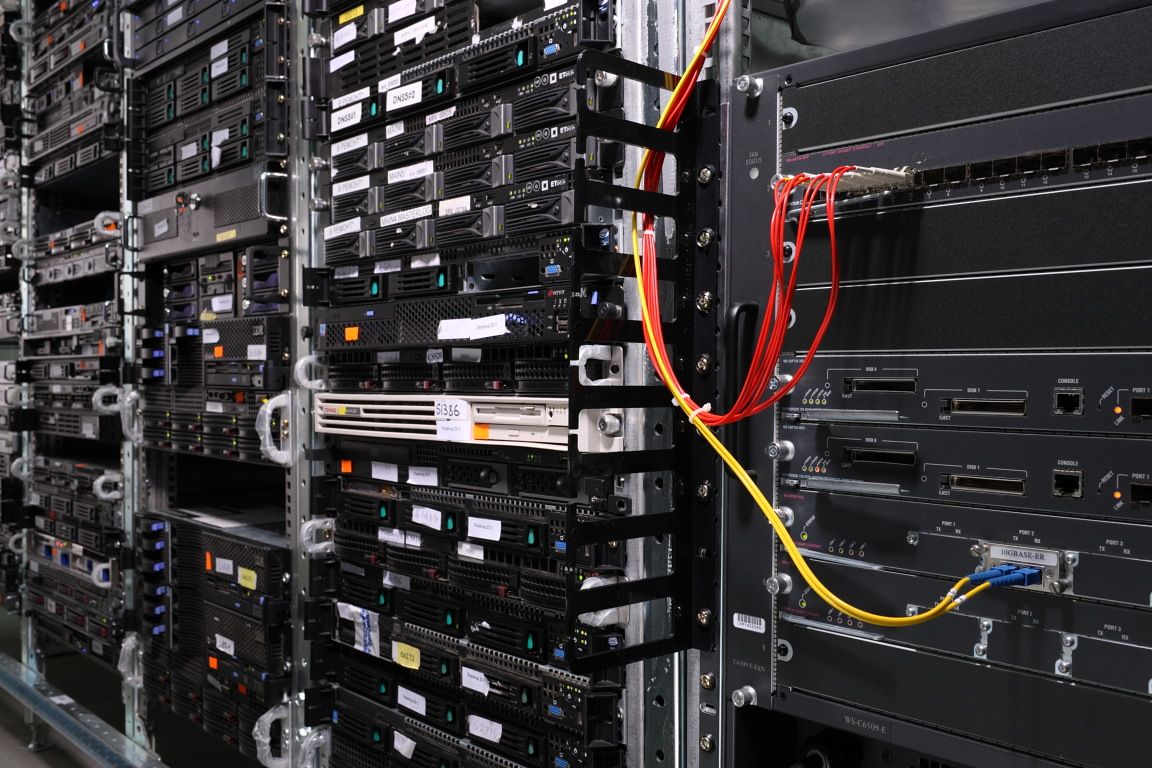
At PSB GmbH, we recognize that electromagnetic compatibility (EMC) and rigorous reliability are fundamental to the integrity of industrial PC solutions. Our decades of experience in engineering robust hardware for demanding environments have shown that effective EMC-protection is critical to avoid system malfunctions, data loss, or safety risks arising from electrical interference. By integrating advanced shielding, filtering, and precision grounding into our designs, we ensure that every system sustains optimal performance even in complex industrial or medical settings. Our commitment to manufacturer independence enables us to source and combine best-in-class components tailored to each application’s unique EMC requirements. Every solution undergoes exhaustive burn-in and EMC testing, so our customers can rely on consistent operation regardless of external influences. At PSB GmbH, engineering know-how, adaptability, and a deep understanding of field-specific challenges drive us to deliver custom systems that set the benchmark for reliability and safety.
What Does EMC Mean for Industrial PCs?
EMC, standing for Electromagnetic Compatibility (Elektromagnetische Verträglichkeit), is a critical requirement in the field of industrial automation and computer engineering. For industrial PC solutions—including Panel-PCs, Box-PCs, and Embedded-PCs—it ensures that devices can operate reliably even in the presence of electromagnetic interference (EMI) and electromagnetic susceptibility (EMS). The concept of EMC shielding (EMV-Abschirmung) encompasses all design, construction, and certification measures tailored to protect sensitive electronic components from unwanted electromagnetic effects. This is especially significant in harsh industrial environments, where heavy machinery, frequency converters, and wireless communication units are prevalent.
The pursuit of high reliability and safety in industrial automation depends directly on meeting EMC standards. Certified EMC protection supports machines in fulfilling legal requirements and provides durability when deployed in Industry 4.0, IoT, or Edge Computing scenarios.
Typical EMC Challenges in Industrial Applications
Industrial environments pose unique EMC challenges due to physical, electrical, and operational factors. The following are the most commonly encountered electromagnetic threats:
- EMI (Electromagnetic Interference): Strong interference fields caused by frequency converters, drives, switching operations, or RF communication, which can disrupt industrial PC performance.
- EMS (Electromagnetic Susceptibility): The inherent sensitivity of computing hardware to external electromagnetic fields, leading to potential data loss, functional errors, or complete system failures.
- Transient Overvoltages: Quick surges due to switching or lightning can disrupt or damage Panel-PCs and Embedded Systems.
- Ground Loops: Faulty grounding or improper shielding can introduce further unwanted currents and signal interference.
Real-world examples include erratic touchscreen operation in Panel-PCs, communication breakdowns in IoT gateways, or random reboots in Box-PCs exposed to high EMI. Proper EMC shielding and rigorous EMC testing are indispensable for avoiding such issues and to achieve robust, low-maintenance operation—especially for continuous operation computers used around the clock.
EMC-Optimized Hardware Solutions
Meeting EMC requirements involves both the selection of suitable components and the integration of advanced design principles at every build stage. The following hardware features are central to reliable industrial PC solutions:
- EMC Shielded Housings: Specialized metal casings, conductive coatings, and custom gaskets prevent the ingress and egress of electromagnetic waves. For demanding environments, enclosures with IP65 dustproof and waterproof ratings offer not only mechanical robustness but also improved EMI shielding.
- PCB Design: Multi-layer circuit board layouts with proper separation of signal and power lines minimize cross-talk and maximize signal integrity.
- Filtered Interfaces: Shielded connectors and ferrite-filtered cables significantly reduce EMI conduction and emission, making them critical for Panel-PCs and Embedded Computers with multiple I/O ports.
- Passive and Active Cooling Solutions: Fanless (lüfterlose) and maintenance-free designs not only decrease mechanical wear but also eliminate noise as a source of interference. For example, a fanless mini PC offers silent, robust computing in EMI-prone areas.
- Compliance with MIL-STD-810G and IP Standards: Industrial PCs built to these standards provide increased shock, vibration, and environmental resilience while maintaining high-level EMC protection.
Using such SMARTCASE solutions and rigorous design protocols ensures that industrial computers meet or exceed all relevant EMC and safety norms, supporting their use in modern Industry 4.0 and IoT applications.
Individual Customization and Configuration
One of the hallmarks of advanced EMC industrial PCs is their ability to be tailored precisely to user requirements. Customization might include:
- Case Modifications: Addition of specialty gaskets, customized grounding points, or hybrid material use for special shielding properties.
- Processor and Component Selection: Use of lower voltage, noise-resistant CPUs and industrial-grade memory modules for increased störfestigkeit (immunity to interference).
- Customized Interface Layouts: Adapting I/O for unique application environments or integrating additional filter modules based on site-specific EMI measurements.
- Display Options: Integration of multitouch operation with ultra-low-noise controllers for HMI (human-machine interface) applications.
- Specific Certification Needs: Ensuring full EMC certification as per industry (IEC, CE, or customer-specific) demands, including tailored EMC testing (EMV-Prüfung) responses.
Such customization ensures not only technical compliance but also operational efficiency, making industrial PC solutions a perfect fit for both standard and highly specialized automation projects.
Practical Examples and Application Areas
The need for robust, EMC-optimized computing is evident across numerous industries. Typical use cases for EMC industrial PCs include:
- Factory Automation: Panel-PCs and Embedded Systems control production lines, where electromagnetic noise from heavy machinery is common.
- Energy and Utilities: Grid monitoring and substation automation demand high EMC shielding due to strong electrical fields and surges.
- Transportation: Onboard computers in rail, maritime, or automotive environments face continuous vibrations, shocks, and fluctuating electromagnetic conditions.
- Healthcare and Labs: Medical equipment often requires low-noise and silent industrial PCs in areas with strict EMC regulations to protect patients and sensitive instruments.
- Outdoor and Edge Computing: Rugged IPCs placed in remote or exposed environments must withstand both EMC stress and harsh weather.
In all these domains, combining EMC shielding, fanless designs, and maintenance-reduced hardware ensures robustness and reliability. These practices also align with broader automation trends supporting Industry 4.0, IoT integration, and decentralized Edge Computing.
Criteria for Selecting EMC-Protected Industrial PCs
When evaluating industrial PC solutions for EMC performance and reliability, several key criteria should guide your selection:
- Degree of EMC Shielding: Ensure hardware is built with closed, shielded enclosures and features filtered power and signal entry points.
- Certification and Compliance: Hardware should possess relevant EMC certifications (e.g., CE, MIL-STD-810G) and undergo transparent EMC testing procedures.
- Maintenance and Longevity: Opt for fanless, low-maintenance, and wear-resistant designs. Such traits are especially important in continuous operation scenarios.
- Configurability: Choose solutions that offer individualized configuration—from basic RAM/CPU upgrades to specific EMI filter integration.
- Environmental Resistance: Consider devices with high protection ratings, such as IP65-certified enclosure and resistance to temperature, vibration, and humidity.
- Application Fit: Make sure the system supports necessary interfaces and protocols for integration into Industry 4.0 and IoT environments.
By carefully balancing these factors, you can achieve an optimal blend of robustness and reliability, setting the groundwork for secure, stable, and long-lasting automation infrastructure.
The significance of EMC-compliant industrial PC solutions extends beyond regulatory mandates—it forms the core of operational safety, uptime, and long-term viability in modern production and healthcare environments. PSB GmbH’s steadfast focus on technical precision and custom engineering means our clients benefit from reliable, thoroughly tested equipment that is prepared for the toughest electromagnetic conditions. Over three decades, we have built a legacy of solutions that not only meet, but often anticipate future EMC requirements through continuous development and a proactive approach. Our clients value this consistency, knowing that each project, from prototype to series production, reflects PSB’s unwavering commitment to quality, durability, and seamless integration. Looking ahead, we remain dedicated to advancing EMC solutions, partnering closely with customers to address new challenges as industries evolve.


