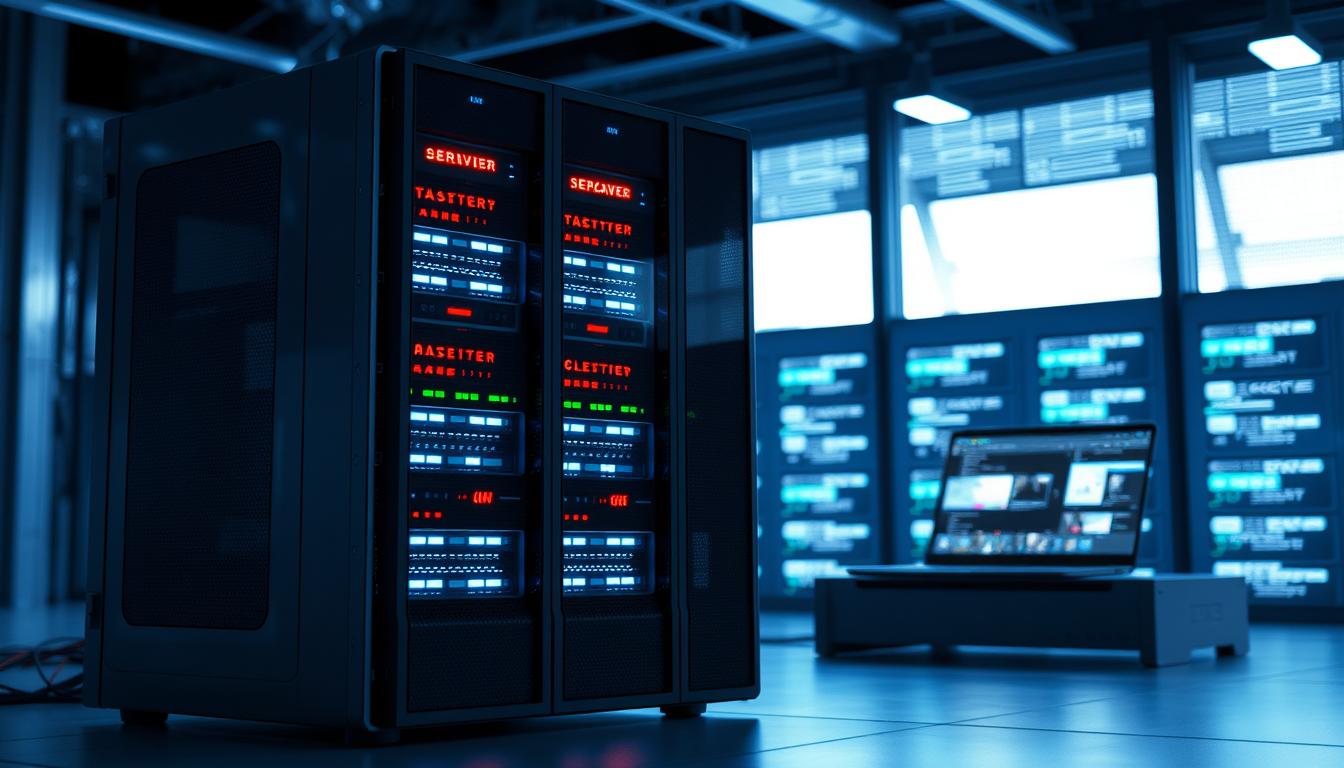
Sterile computers play a crucial role in ensuring the uncompromising quality and safety required by the pharmaceutical industry. At PSB GmbH, we recognize that sterile environments demand technology solutions that maintain high levels of hygiene, withstand rigorous cleaning protocols, and reliably operate under challenging conditions. Our deep-rooted engineering competence allows us to adapt and develop PC-based systems tailored to the strict protocols of pharmaceutical manufacturing. We combine robust design with features such as seamless housings, IP65 protection, and specialized filtering to reduce contamination risks and facilitate effective cleaning. PSB GmbH partners closely with customers to understand the nuanced technical and regulatory requirements, delivering solutions that integrate seamlessly into existing processes and infrastructure.
What Are Sterile PCs?
Sterile PCs are specialized computer systems designed explicitly for use in contamination-sensitive environments such as the pharmaceutical industry, laboratories, and cleanrooms. These computers, often referred to as Edelstahl-PCs (stainless steel PCs) or hygienic computers for pharma, feature robust designs that withstand rigorous cleaning, disinfection, and exposure to aggressive chemicals. Typically, they consist of a durable V2A/V4A stainless steel housing, utilize a fanless design, and offer protection class ratings up to IP69k for dust-tightness and robust water resistance. Their construction ensures that bacterial contamination, particle emission, or cross-contamination within cleanrooms is minimized or eliminated. Integrating rugged industrial tablet PCs extends these benefits to mobile and flexible production environments.
Why Are Sterile PCs Essential in the Pharmaceutical Industry?
Within the pharmaceutical industry, adhering to strict regulatory requirements and maintaining sterile conditions are vital for product safety and compliance. Sterile PCs enable seamless data acquisition, process control, and monitoring in environments governed by standards such as GMP (Good Manufacturing Practice), ASME BPE, and FDA guidelines.
Failure to use hygienic IT means, such as a certified antimicrobial panel PC, can lead to contamination risks and subsequent product recalls. These devices are engineered to operate in cleanrooms (Reinraum), where every component—from touchscreen to interface—must resist microbial growth and endure repeated sanitation. The modular architecture of modern sterile PCs supports upgrades and customizations, responding flexibly to evolving production needs and pharma compliance standards.
Technical Requirements and Standards for Sterile PCs
Technical and regulatory demands for sterile PCs are multifaceted, covering electrical safety, hygiene, and mechanical robustness. Common industry requirements include:
- Protection Ratings: Predominantly IP65 to IP69k, ensuring water- and dust-tightness for maximum hygiene.
- Material Choice: Only corrosion-resistant stainless steel (typically V2A or V4A) may be used for enclosures and surfaces.
- Antimicrobial and Antibacterial Properties: Surfaces inhibiting microbial adhesion and growth.
- Touchscreen Glove-Operability: Capacitive multi-touch displays operable with surgical or industrial gloves, vital in pharmaceutical environments.
- Compliance with GMP/ASME BPE: All design and validation protocols should align with pharma regulations.
- EMC Testing: Electromagnetic compatibility is essential in sensitive production areas; see the detailed insights in this overview on EMC-tested industrial PCs.
| Requirement | Standard/Benchmark |
|---|---|
| Ingress Protection | IP65, IP69k |
| Material | V2A/V4A stainless steel |
| Regulation | GMP, ASME BPE, FDA |
| Antimicrobial Features | Surface treatment, sealed edges |
| Touch Operation with Gloves | Capacitive multi-touch |
Materials and Protection Classes: What Really Matters?
The material of construction and protection class are decisive in ensuring long-term hygiene and operational safety:
- V2A vs. V4A Stainless Steel: V2A (AISI 304) is widely used for general cleanroom use but may be susceptible to certain aggressive cleaning agents. V4A (AISI 316L) offers superior resistance to corrosion and aggressive sanitizers, making it ideal for pharmaceutical and biotechnology processing lines.
- Protection Classes (IP65 vs. IP69k): While IP65 protects against jets of water, only IP69k units can withstand high-pressure, high-temperature cleaning—critical for sterile environments where daily sanitization occurs. Learn more about how protection classes impact device longevity and reliability by exploring industrial computers for 24/7 use.
- Antibacterial/Antimicrobial Coatings: These coatings further suppress contamination risks, making the cleaning process more effective and reducing downtime caused by manual disinfection.
Below is a summary of common material and protection class choices:
| Material | Key Property | Use Case |
|---|---|---|
| V2A Stainless Steel (AISI 304) | Corrosion-resistant, not for chlorides | General cleanroom, lab |
| V4A Stainless Steel (AISI 316L) | Highly resistant to acids, chlorides | Pharma, biotech, food |
| IP65 | Jet water protection | Dry rooms, food packaging |
| IP69k | High-pressure/steam cleaning | Sterile, wet, pharma production |
Cleaning, Disinfection, and Maintenance
Regular cleaning and disinfection of sterile PCs are crucial for pharmaceutical compliance and operational safety. Devices are designed without ventilation slots (fanless design), eliminating dust traps and facilitating complete sanitization. Key cleaning considerations include:
- Sealed Surfaces: Flat, gapless construction avoids accumulation of contaminants and simplifies disinfection.
- Resistance to Cleaning Agents: Only materials compatible with aggressive cleaning and disinfection chemicals (e.g., peracetic acid, ethanol, quats) should be used.
- Tool-Free Maintenance: Modular designs allow for rapid replacement or servicing of critical components without special tools.
Below is a practical cleaning checklist for pharmaceutical-grade panel PCs:
- Power down and disconnect the unit from power supplies.
- Use approved non-abrasive cleaning solutions on surfaces.
- Thoroughly wipe touchscreens and interfaces (USB, HDMI, etc.) with lint-free cloths.
- Perform periodic inspection for wear or sealing loss, replacing seals when needed.
- Document cleaning cycles in line with GMP requirements.
For noise-sensitive environments or applications that require continuous operation with minimal maintenance, discover the benefits of silent, low-noise industrial PCs.
Usability: Touchscreen, Glove Operation, and Ergonomics
Operating sterile PCs in pharmaceutical settings presents several unique challenges. Personnel frequently use surgical gloves, yet require reliable touch interaction. The latest generation of Panel-PCs is tailored to these needs with:
- Glove-Compatible Multitouch: Capacitive screens enable intuitive gesture controls, even with latex, nitrile, or thick operator gloves.
- Ergonomic Mounting: Customizable supports and flexible displays reduce operator fatigue during long shifts.
- One-Touch Cleaning Modes: Temporarily disabling the touchscreen for hassle-free cleaning without accidental activation.
For environments that value ruggedness and mobility alongside sterility, review our recommendations for industrial tablet PCs and rugged solutions.
Modularity and Customization: How to Find the Right Solution
No two production facilities or laboratories are identical—hence, modular sterile PCs have become standard in the pharmaceutical sector. Key configuration options include:
- Schnittstellen (Interfaces): Diverse I/O including USB, HDMI, WLAN, Bluetooth, and even legacy ports for lab equipment integration.
- Size Variants: Panel PCs can be found in a variety of screen sizes to fit mounting options and workflow requirements.
- Upgradeable Modules: Expansion for memory, CPU performance, or additional industrial protocols.
This modularity translates to both economic and operational flexibility—invest only in features you need, while future-proofing for upgrades. Tailored solutions enhance efficiency, particularly in PACS, RIS, KIS healthcare integration scenarios.
To see how modularity impacts industrial IT across different sectors, read about upcoming trends in industrial PC logistics and applications.
Future Trends: Digitalization and Industry 4.0 in Sterile Production
Advances in digitalization, Industry 4.0, and the Internet of Things (IoT) are transforming sterile production lines in the pharmaceutical sector. Modern sterile PCs act as secure IoT nodes, collecting, aggregating, and analyzing production data securely via WLAN or Bluetooth. Key trends include:
- Smart Hygiene Monitoring: Sensor integration to track cleaning cycles, environmental conditions, and contamination risks in real time.
- Predictive Maintenance: Continuous system diagnostics that anticipate wear or contamination on critical surfaces, reducing downtime and costs.
- Cloud Connectivity: Secure data transfers to MES, ERP, or cloud-based compliance systems.
The integration of smart technologies ensures regulatory adherence, improves traceability, and supports the next era of efficient, safe pharma production.
FAQ: Frequently Asked Questions About Sterile PCs in the Pharmaceutical Industry
- What sets a sterile PC apart from a standard industrial PC?
Sterile PCs feature stainless steel housings, fanless designs, and antimicrobial coatings to facilitate thorough cleaning and compliance with pharmaceutical regulations. They typically achieve higher ingress protection (IP69k) and are certified for GMP/ASME BPE environments. - Which interfaces are supported for seamless integration?
State-of-the-art sterile PCs offer USB, HDMI, WLAN, Bluetooth, and legacy serial connections for flexible process and laboratory integration. Learn more about rugged connectivity options with industrial tablet PCs. - Is touch control effective with gloves?
Yes, leading manufacturers implement glove-capable capacitive touchscreens, essential for sterile environments where wearing gloves is a must. - How often must sterile PCs be cleaned?
Cleaning cycles should comply with your internal SOPs and regulatory standards (GMP); frequency often ranges from several times daily to between batches or shifts. - What is the difference between V2A and V4A stainless steel in sterile PCs?
V2A is robust against general contaminants, while V4A offers superior chemical resistance for areas with more stringent hygiene requirements or aggressive cleaning routines. - Can I upgrade modules later?
Yes, modular design permits later expansion or replacement of memory, interface cards, or even processors in most modern sterile PC platforms.
Meeting the demanding requirements for sterile PCs in the pharmaceutical sector requires both experience and attention to detail. Drawing on over three decades of expertise, PSB GmbH delivers solutions that support operational safety, regulatory compliance, and long-term equipment reliability. Our in-house development and manufacturing enable us to respond rapidly to evolving industry needs while ensuring lasting performance even in the most demanding environments. Each system undergoes comprehensive testing to guarantee the highest standards of functionality and sterility. We remain committed to supporting pharmaceutical customers with innovative, future-ready PC solutions that contribute tangibly to the industry’s ongoing advancement.