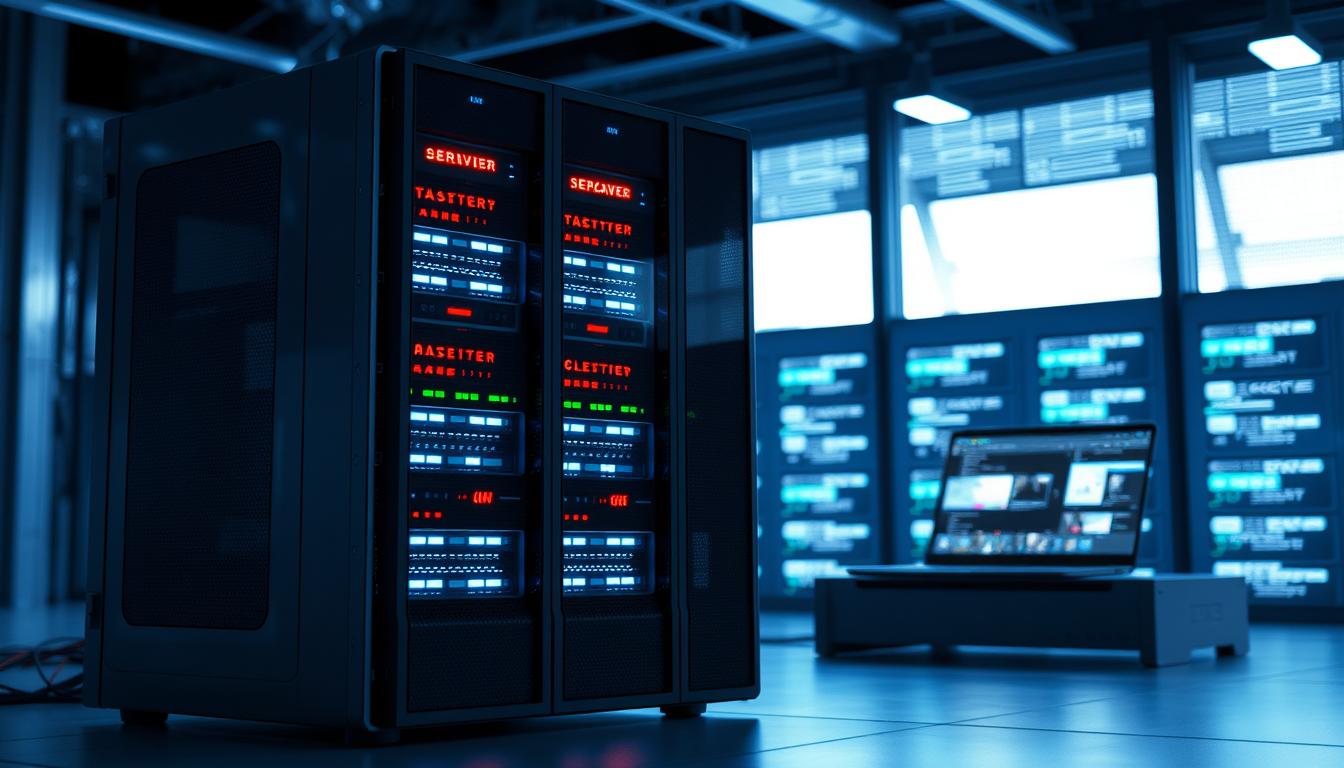
Outdoor environments present unique challenges for industrial PC systems, where exposure to water, dust, and temperature extremes can compromise reliability. At PSB GmbH, we recognize that robust, IP67-certified solutions are essential for maintaining operational integrity in demanding settings. Our experience developing hardware for both industrial and medical applications has equipped us with a deep understanding of protection standards and specialized requirements. Every system we design undergoes rigorous burn-in testing to ensure sustained performance under harsh conditions. Leveraging our flexible engineering processes and long-standing partnerships, we tailor each project to customer-specific needs. Our commitment is to deliver proven, fully customized outdoor PC solutions that meet and exceed expectations for durability, adaptability, and long-term serviceability.
What is an IP67 Rating? (Definition & Standards)
The IP67 rating represents a critical global standard for industrial outdoor computers, indicating robust levels of dust and water ingress protection. Defined under IEC standard 60529, “IP” stands for Ingress Protection, with the first digit (“6”) signifying complete dustproof sealing and the second digit (“7”) guaranteeing waterproof performance against immersion in up to one meter of water for 30 minutes. This makes IP67 industrial computers exceptionally suited for use in environments exposed to rain, splashes, high humidity, or where there’s a risk of accidental submersion.
The sealing standards set by IP67 align with the strict demands of industries such as food processing, maritime operations, transportation, and large-scale agriculture. IP67 certification ensures all panel, edge, and embedded PCs using the rating possess fully sealed enclosures, often reinforced by M12 connectors rather than standard I/O for superior watertight and dustproof performance. Such ingress protection is frequently specified alongside additional certifications (e.g., MIL-STD-810G/H for vibration and shock), ensuring reliability in even the harshest outdoor computing scenarios.
IP67 vs Other IP Ratings: Which Protection Level Do You Need?
| IP Code | Dust Protection | Water Protection | Typical Use Case |
|---|---|---|---|
| IP65 | Dust-tight | Water jets | Factory floors, machinery rooms |
| IP67 | Complete | Immersion (up to 1m/30min) | Outdoor installations, food & beverage, transport |
| IP69K | Complete | High-pressure wash, steam cleaning | Sanitized zones, heavy washdown, pharma |
Choosing between IP65, IP67 and IP69K depends on specific operational threats and cleaning protocols. While an IP67 waterproof computer protects against temporary submersion and aggressive outdoor weather, IP69K takes it further by withstanding high-pressure, high-temperature water jets—a standard required in food or pharmaceutical plants where daily pressure washing occurs. Conversely, IP65 may suffice for partially covered environments where only rain or light spray is expected.
If you require high-reliability systems for intense mission-critical environments, consider exploring silent and durable options such as those covered in our Silent PC Industrial solutions. For environments with continuous use, Industrial Computers for 24/7 Use provide further insights on selecting for round-the-clock reliability.
Key Features That Make IP67 PCs Suitable for Outdoor Deployment
- Dustproof and Waterproof Sealed Enclosure: IP67 panel and embedded PCs are engineered with fully sealed housings, tightly gaskets, and corrosion-resistant ports for total ingress protection.
- M12 Connectors: Specialized connectors replace traditional USB or Ethernet jacks; M12 ensures watertight, vibration-resistant data and power connectivity, critical for industry and transit applications.
- Fanless Cooling & Passive Thermal Management: IP67 outdoor PCs utilize passive cooling, with heat conducted through rugged aluminum or stainless-steel chassis rather than exposed fans that can draw in contaminants. This architecture supports quiet (silent PC) and reliable 24/7 operation.
- Industrial-Grade Build: With reinforced corners, mounting options, and high vibration/shock resistance, IP67 edge computers thrive in transportation, mobile, and warehouse logistics settings.
- Wide Operating Temperature Range: Designed to withstand extremes, typical IP67 computers operate reliably between -30°C and +70°C, with no performance degradation.
- Sunlight-Readable Displays: Outdoor panel PCs often boast high-brightness, anti-glare screens for readability under direct sunlight—vital for kiosks and mobile command applications.
Optimal outdoor performance also depends on ongoing care and correct installation. See our maintenance and lifespan extension guide in the section “How to Choose the Right IP67 PC for Your Environment.”
IP67 Computer Design: Fanless Cooling, Materials & Durability
Fanless Cooling and Passive Thermal Management
One backbone feature of any fanless IP67 computer is its passive thermal management. By dissipating heat through thermal conduction across a metal enclosure, rather than relying on a mechanical fan, these computers minimize points of failure and eliminate the risk of dust or water ingress via fan ducts. This design delivers uninterrupted performance in conditions ranging from frigid outdoor installations to hot, steamy production lines. Thermally optimized aluminum alloy housings and stainless steel chassis are standard, maximizing rigidity, corrosion resistance, and thermal conductivity.
Stainless Steel & Aluminum Alloy Housings
Material selection is crucial: stainless steel excels in harsh chemical or washdown environments, featuring in food-grade and cleanroom panel PCs, while aluminum alloy offers lighter weight and excellent heat dissipation—common in transportation or outdoor smart signage applications.
Durability and Operating Temperature Range
An IP67 edge computer typically employs industrial-grade components rated for a high operating temperature range (often -30°C to +70°C), reinforced against shock and vibration. Compare this to conventional office PCs, which operate in modest settings and lack the mitigation measures essential for remote outdoor deployments or mobile machinery. For further details on workstation durability, refer to our guide: Workstation for 24h Operation.
Sealed Interfaces and Cabling
Commercial I/O connectors are replaced by M12 connectors on IP67-rated computers. These are not only physically robust but fully sealed, supporting data, power, or network transmission with complete ingress protection, even under vibration or high-pressure spray.
Real-World Applications for IP67 Outdoor Computers
- Food & Beverage Processing: Washdown stations, conveyor controls, and quality monitoring demand computers with robust ingress protection and easy-to-clean stainless-steel housings, with IP67 often a minimum. Explore more about protecting systems in harsh settings at our dedicated guide.
- Maritime & Offshore: Navigation, weather monitoring, and cargo management computers must withstand salt spray, submersion, and extreme temperature swings. An IP67 panel PC with sunlight-readable display is essential here.
- Agriculture & Smart Farming: Edge computers manage sensors and automation on fields, exposed to dust, mud, water, and UV. IP67 dustproof waterproof computers keep operations resilient through all weather.
- Transportation & Logistics: Rail, bus, and mobile traffic hubs involve constant vibration, sudden shocks, and outdoor placement. Rugged fanless IP67 computers, with M12 power and data connectors, provide unwavering reliability for vehicle IT, ticketing, and monitoring.
- Outdoor Kiosks & Surveillance: Public info terminals, vending, and security systems need IP67 edge computers for year-round uptime and protection against vandalism and weather extremes.
Rugged portability solutions are similarly vital; for further information on tough mobile systems, see our Industrial Tablet PC Guide.
How to Choose the Right IP67 PC for Your Environment
1. Assess Environmental Conditions
Determine the worst-case scenarios your system will encounter: water submersion, pressure washing, fine dust, extreme hot/cold, strong solar radiation, or constant vibration. Each factor informs your protection level—critical for selecting the best IP67 computer for outdoor use.
2. Define Your Application and Data Needs
Different use cases—such as edge analytics, HMI panels, or mobile fleet control—demand varying form factors, processing strength, and connectivity. Integrate compatibility with IoT sensors or smart field devices for real-time monitoring.
3. Evaluate Maintenance and Lifespan
Adopting a sealed, fanless system like an IP67 embedded PC reduces ongoing maintenance by eliminating air filters and sensitive fans. However, apply best practices: mount systems above expected flood lines, avoid direct high-pressure spray on connectors, and use approved cleaning agents. Proactive environmental monitoring (temp/humidity sensors) can further extend lifespan.
Total cost of ownership over five years should account for purchase, downtime, maintenance, and replacement costs. IP67’s robust build often leads to net savings, as frequent failures or emergency repairs are rare compared with lower-rated systems.
4. Investigate Certification and Compliance
Check for relevant industry certifications, including IEC 60529 for IP rating and MIL-STD-810G/H for resistance to shock/vibration—that’s vital in transportation and mobile machinery environments. Verify compliance with hygiene standards where required.
For a professional selection framework tailored to 24/7 operation, explore the options in our Industrial Computer for 24/7 Use guide.
IP67 vs IP69K: When to Upgrade Protection Levels
Although IP67 offers excellent protection—including for water submersion and general outdoor use—certain industries require higher standards such as IP69K. This highest rating withstands close-range, high-pressure, high-temperature water jets and is ideal for food production or pharmaceutical environments subject to mandatory, frequent pressure washing. IP69K computers often use stainless steel housing, seamless edges, and specialized touch displays to prevent bacterial buildup and enable thorough sanitation.
Transitioning to IP69K (from IP67 or IP65) should be considered if processes involve daily high-pressure spray-downs, corrosive cleaning agents, or strict hygiene certification regimes. However, IP67 remains the most cost-effective solution for the majority of outdoor, transport, and logistics deployments. For a detailed breakdown and use-case guide, consult our feature article IP67 Computer System: Protection for Harsh Environments.
The implementation of IP67-rated outdoor PCs requires more than standard hardware—it demands robust design, thorough testing, and a precise understanding of the application environment. At PSB GmbH, we have continuously demonstrated our capability to adapt and innovate, providing systems that deliver reliable operation even under the most challenging conditions. Our production processes prioritize quality and longevity, ensuring that clients benefit from solutions with minimal downtime and extended service life. By fostering close relationships with our clients and suppliers, we respond quickly to evolving needs while upholding uncompromising standards. As industrial environments evolve, PSB GmbH stays at the forefront, offering expertise and dependability in every system we produce, ready to meet tomorrow’s challenges today.