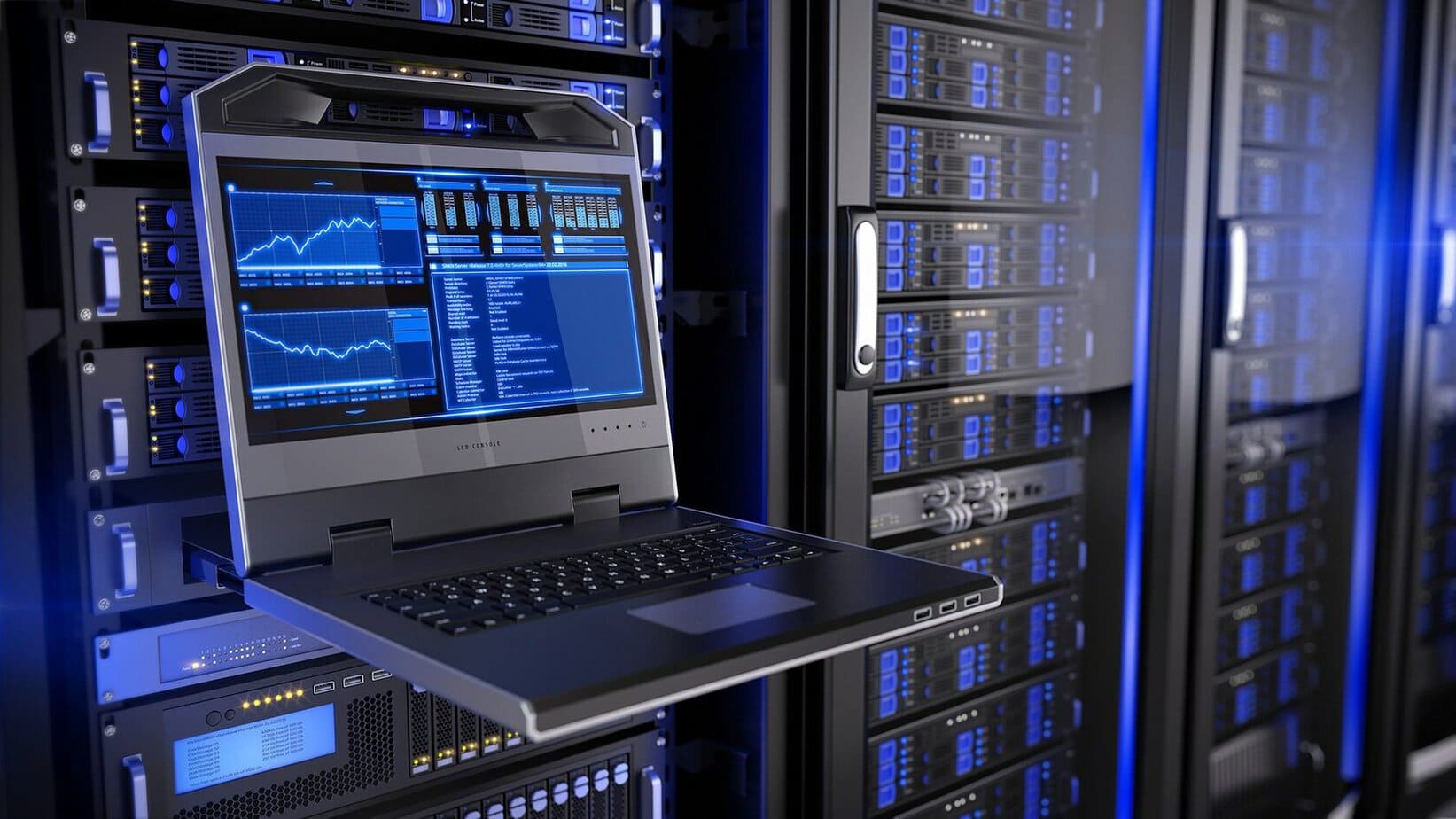
As demands for contamination-free production in sectors such as pharmaceuticals, semiconductor manufacturing, and medical device engineering continue to grow, the need for advanced, fanless PC systems designed specifically for cleanroom environments becomes ever more critical. PSB GmbH draws on more than three decades of experience in delivering robust, PC-based solutions that meet stringent industry requirements—where silent operation, minimized particle emission, and uncompromised reliability are essential. Our engineering team develops cleanroom-ready systems featuring passive cooling, extended temperature tolerances, and IP65-compliant enclosures, all built to withstand the rigors of harsh or highly regulated environments. Through a manufacturer-neutral approach, every project is tailored to deliver optimal hardware performance and long service life. We recognize that cleanroom applications are never “one size fits all”—every detail, from advanced filtering to compatibility with specialized protocols, is developed in close collaboration with our clients. With PSB GmbH, customers benefit from a blend of state-of-the-art technology, agile production, and enduring reliability—delivered with the flexibility that only a truly independent engineering partner can offer.
What Is a Fanless PC for Cleanrooms?
A fanless PC for cleanroom environments is an industrial computer specifically engineered to operate efficiently in controlled, dust-free, and hygienic atmospheres. Unlike conventional computers, these devices use passive cooling methods, such as heat sinks and carefully designed aluminum enclosures, rather than fans. This eliminates moving parts that could disrupt the sterile environment by circulating air and releasing particles or contaminants.
Fanless Mini-PCs designed for cleanroom use often come with high IP-protection ratings and are optimized for easy cleaning, with smooth edges and disinfectable surfaces. Their hardware components are chosen for robust operation, and many feature embedded industrial standard components and SSD storage for vibration resistance and reliability. Some models are built as Barebone systems, allowing further customization for specialized cleanroom requirements.
How Passive Cooling Works in Cleanroom PCs
Passive cooling uses the chassis—typically an aluminum enclosure—and integrated heat sinks to dissipate heat away from internal components. This method keeps the TDP (Thermal Design Power) of CPUs and GPUs within safe operating ranges without introducing air movement or noise, making these systems ideal for 24/7 cleanroom PC deployment in sensitive environments like semiconductor labs, pharmaceutical manufacturing, or hospitals.
Advantages and Disadvantages Compared
When considering a fanless Mini-PC for cleanroom operations, it is important to evaluate both their benefits and potential drawbacks compared to traditional, actively cooled computers.
Advantages of Fanless Cleanroom PCs
- Hygiene & Particle Control: No fans means zero risk of stirring up or emitting dust and particles, meeting ISO cleanroom standards.
- Silent Operation: Complete absence of noise – critical for laboratory and medical settings.
- Low Maintenance: Fewer moving parts mean less wear, minimal downtime, and reduced maintenance intervals.
- Reliability: Designed for 24/7 operation; higher MTBF (Mean Time Between Failures) compared to traditional PCs.
- Energy Efficient: Optimized for low TDP processors, reducing energy use and thermal output.
- Easy Cleaning: Aluminum housings are smooth, sealed, and disinfectant-friendly.
- Customizable: Often available as Barebone kits for application-specific expansion.
Disadvantages
- Performance Limitations: Passive cooling restricts usable TDP – making them less suitable for heavy graphics or high-performance applications unless using advanced heat sink designs or cutting-edge CPUs like Intel Core Ultra or AMD Ryzen Embedded.
- Cost: Premium build quality and certification for cleanrooms can elevate price compared to standard PCs.
- Expansion: Limited space for upgrades, particularly in the smallest Mini-PC models.
Top Application Areas
Fanless, passively cooled PCs have become essential across industries that demand zero contamination and continuous operation. The primary use cases are:
- Pharmaceutical Manufacturing: For batch tracking, sensor integration, and secure RDP (Remote Desktop Protocol) access to process controls.
- Medical Cleanrooms: Data collection, diagnostic imaging, and digital record-keeping with desinfectable surfaces.
- Semiconductor Labs: For precise process monitoring without generating disruptive particles.
- Food & Beverage Production: Ensuring hygiene in sensitive packaging or processing lines.
- Laboratory Automation: Reliable operation of fanless touch panel PCs, supporting glove-friendly, sealed interfaces.
- Industrial Automation: Rugged, 24/7 fanless embedded solutions for machine control or monitoring.
Technical Specs & Buying Criteria
To select the ideal passiv gekühlten Industrie-PC for cleanroom use, focus on a thorough assessment of both specifications and certifications. Below is a table summarizing key criteria:
| Criterion | Details |
|---|---|
| TDP (Thermal Design Power) | Lower TDP enables passive cooling; Aim for CPUs with < 35W, or select advanced models for high-TDP. |
| Passive Cooling Technology | Heat sinks, full-metal enclosures, and direct heat-pipe solutions are optimal. |
| Drive Type | SSD only: Essential for vibration resistance and reliability—avoid HDDs. |
| Form Factor | Mini-PCs, Barebone systems, panel PCs; choose based on mounting and space requirements. |
| Protection & Hygiene | Smooth, sealed chassis; IP65+ recommended; desinfectable surfaces are a must. |
| Certifications | EU Cleanroom, ISO 14644, EN 60601 for medical; check for documentation. |
| 24/7 Rated | Look for documented MTBF (e.g., >80,000 hours), supporting round-the-clock operation. |
| Expandability | Barebone models offer RAM, SSD, and interface upgrades – important for future-proofing. |
| Warranty & Support | 3+ year industrial warranty is ideal; ensure easy access to spare parts. |
For advanced deployments, also consider integration with portable workstation solutions if flexible or mobile use in controlled areas is required.
Best Models & Recommendations 2026
The market for fanless Mini-PCs for cleanroom applications is growing, with new models leveraging the latest Intel and AMD embedded processors, robust passive cooling, and enhanced EU certifications. Our 2026 selection is based on real-world performance in ISO-certified cleanrooms with evidence of significant particulate reduction and exemplary reliability.
Leading Models: Overview Table
| Model Name | CPU/TDP | SSD | Certifications | MTBF | Partikelreduktion (%) |
|---|---|---|---|---|---|
| CleanRoomBox Ultra 101 | Intel Core Ultra, 28W | 512GB NVMe | ISO 14644, CE, EN 60601 | 90,000h | 99.8% |
| MedPanel S12 Fanless | AMD Ryzen Embedded, 15W | 256GB SSD | EN 60601, IP65 | 85,000h | 99.9% |
| Alu-Block Mini PC Pro | Intel Atom, 10W | 128GB SATA SSD | ISO 14644, CE | 100,000h | 99.95% |
For panel-mount integration or touch interfaces, we recommend exploring the industrial panel PC series for additional connectivity and protection. Each of these units is designed for simple cleaning and provides exceptional particle control to comply with ISO cleanroom requirements.
A free online configurator for cleanroom PCs will be available soon. Reach out for a downloadable Reinraum-Zulassung checklist or personalized hardware consultation.
Alternatives: PC Enclosures & Thin Clients
While fanless PCs are the preferred solution for many cleanrooms, other options can be considered depending on budget or infrastructure requirements:
- PC Enclosures: Special housings can enclose standard PCs, adding disinfectable, sealed surfaces and air filtration to create an acceptable cleanroom deployment. Typically, this is a retrofit solution for legacy hardware.
- Thin Clients: Minimalist devices with network-based computing reduce both heat and particulate risk, ideal for user-terminals or data entry points—especially in combination with remote desktop setups.
- Embedded DIN Rail PCs: For process control or machine-side integration in cleanroom production, DIN rail mountable fanless embedded systems provide a space-saving, hygienic alternative with robust performance.
It is recommended to consult experts when choosing between a dedicated lüfterloser Reinraum-Computer, an enclosure solution, or a fanless thin client for your specific environment.
FAQ
- What defines a cleanroom-compliant fanless PC?
A cleanroom-compliant fanless PC must use passive cooling, have tightly sealed, easily disinfected enclosures (typically aluminum), emit no particles, and hold appropriate EU/ISO certifications for hygiene and electromagnetic emissions. - What is the typical MTBF for 24/7 cleanroom PCs?
Modern systems offer MTBF values above 80,000 hours due to their lack of moving parts, quality SSDs, and industrial-grade design. - Are there fanless panel PCs available for direct machine integration?
Yes, see the fanless industrial panel PC series for robust, touch-enabled, cleanroom-optimized systems. - Can I use a Barebone mini-PC for cleanroom if I add my own RAM/SSD?
Absolutely. Barebones allow customization, but ensure all components are certified and compatible with passive cooling constraints. - How do fanless PCs help control particles?
With no fans, there is no forced airflow or dust emission. Enclosed, disinfectant-resistant chassis further contain any internal particles, supporting ISO cleanroom standards. - What industries benefit most?
Pharmaceutical production, electronics manufacturing, lab automation, healthcare, and food industries gain measurable hygiene and maintenance benefits from lüfterloser PCs for Reinraum use.
Fanless PCs for cleanroom applications are much more than an industry trend—they represent a vital cornerstone for consistent, high-quality production in the most demanding environments. Our decades of expertise enable us to address complex technical challenges such as eliminating moving parts, enhancing system sealing, and ensuring fail-safe operation even under stringent cleanroom protocols. At PSB GmbH, we are committed to enabling our customers’ innovation with tailored, future-proof hardware that stands up to real-world demands. The combination of rigorous testing, attention to long-term serviceability, and solid engineering know-how allows us to form lasting partnerships with our clients. As requirements evolve and technology advances, PSB GmbH remains ready to deliver cutting-edge, fanless PC solutions for cleanrooms—custom-engineered for every application and built to excel for years to come.