


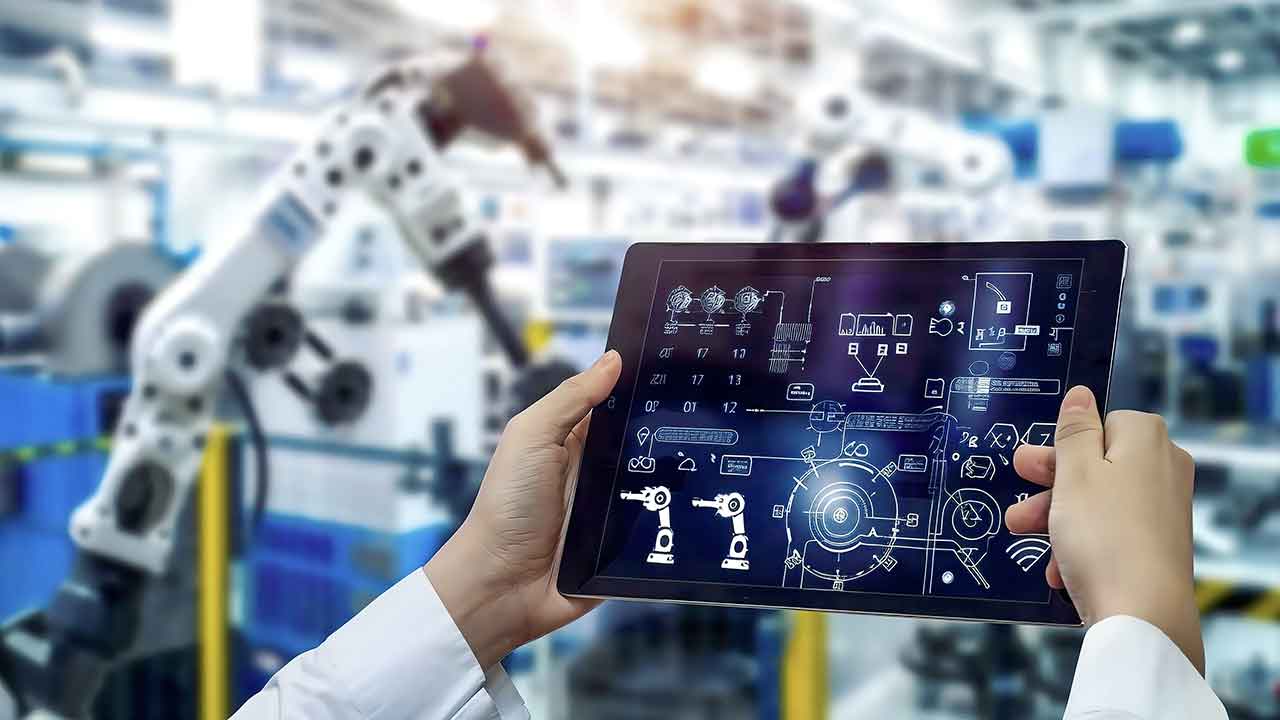
At PSB GmbH, we understand the critical role robust industrial PCs play in modern production and processing environments. These systems must withstand extreme conditions, including temperature fluctuations, dust, vibration, and moisture, while maintaining high levels of performance and reliability. Our decades of hands-on experience enable us to design and adapt PC-based solutions that address the unique operational requirements of both industrial and medical sectors. We leverage extensive engineering know-how to implement features such as IP65 protection, enhanced thermal management, and advanced filtering, ensuring system stability even in demanding settings. Each solution is tailored to fit the precise application, reflecting our commitment to flexibility, technical rigor, and close customer collaboration.
Key Features of Robust Industrial Computers
Robust industrial computers are specifically designed for demanding industrial environments. Their core features include maximum resistance to physical and electrical influences as well as consistent reliability in continuous operation. These systems are often used in environments exposed to heat, cold, dust, moisture, or vibration, such as manufacturing, automation, and process control. A key factor is compliance with protection classes such as IP65 and IP67, which ensure comprehensive protection against dust and water. Thanks to their low-maintenance, fanless designs and high-quality components, robust industrial computers are ideally suited for long-term use in extreme operating environments. Operational reliability is significantly increased by protective measures such as TPM 2.0 (Trusted Platform Module) and UPS systems (uninterruptible power supply).
Technical Equipment
Industrial computers are equipped with versatile technology that goes far beyond the standard features of conventional office PCs. Powerful processors—ranging from Intel Atom and NXP i.MX8 to Intel Celeron and Intel Core—enable reliable handling of a wide variety of tasks. The use of DDR4 RAM ensures fast data processing, while replaceable SSD storage provides high fault tolerance. A wide range of interfaces such as USB 3.2, USB 2.0, various Ethernet standards (10/100/1000/2500-BaseT), serial interfaces (EIA-232/422/485), DisplayPort, CAN bus, and digital inputs and outputs guarantee optimal integration into modern industrial processes. In addition, many systems support Industry 4.0 and IIoT applications. The integration of technologies such as TPM 2.0 further enhances IT security at the hardware level. Various protective mechanisms such as data backup, redundancies, and high-performance UPS systems ensure uninterrupted production workflows.
Form Factors and Variants
The wide range of form factors and variants is one of the outstanding characteristics of modern industrial computers. The following types are particularly common for specific application areas:
- Panel PC: These devices combine a computer and touchscreen display in a robust enclosure and can be conveniently mounted on machines or systems. For further insights into application examples and selection criteria, see Industrial Panel PC: Meaning, Uses & How to Choose.
- Box PC: Compact, flexible, and often fanless, these systems are ideally suited for installation in control cabinets or directly on machines thanks to their durable metal housings.
- Rackmount Computer: Designed as 19-inch rack systems, these models are developed specifically for installation in control cabinet racks and offer high expandability.
- DIN-Rail Modules: Perfect for integration into control cabinets—space-saving and modular, allowing flexible adaptation to individual requirements.
Each of these variants is designed to meet a wide range of industrial computer requirements—whether for control, data acquisition, monitoring, or human-machine interaction.
Long-Term Availability and Support
A key quality feature of robust industrial computers is their long-term availability. While standard hardware often disappears from the market within a few years, many specialized manufacturers guarantee a product lifecycle of five to ten years, including comprehensive spare parts supply and software support. This focus on long-term availability is particularly important for industrial customers who must ensure uninterrupted operation over many years.
Long product cycles not only minimize maintenance and replacement efforts but also enable company-wide standardization of hardware and software. This increases overall production efficiency and simplifies future expansions or modernizations. Reliability is further enhanced by redundancies such as hot-swappable SSDs or power supplies and by robust UPS solutions. For applications with exceptionally high requirements for continuous operation, we recommend exploring modern 24/7 industrial PC solutions specifically designed for uninterrupted use.
Areas of Application
Robust industrial computers are used across a wide range of industries and applications—always where technology is exposed to high loads or where special requirements for IT security, reliability, and service life apply. Typical industrial computer application areas include:
- Manufacturing and process automation: Machine control, monitoring of production processes, analysis of production data.
- Building automation: Control and monitoring of building systems, energy management, and security systems.
- Medical and cleanroom technology: Use as control or operator computers in sterile environments thanks to durable enclosures and specialized surfaces. Detailed information on selection and integration in medical technology is provided in Medical Cleanroom Hardware: Choosing & Integration.
- Traffic technology and infrastructure: Real-time monitoring and control of traffic systems, traffic data acquisition and processing.
- Logistics and warehouse management: Automated control of warehouse systems, picking robots, or transport systems.
- IIoT applications (Industrial Internet of Things): Networked production environments, edge computing, decentralized data storage and analysis as part of Industry 4.0 strategies.
Robust industrial computers are also used in areas where electromagnetic compatibility (EMC) plays a critical role, such as with EMC embedded computers.
Difference from Standard Computers
Compared to conventional desktop PCs or office computers, industrial computers offer a wide range of indispensable advantages. While standard devices are optimized for protected, climate-controlled office environments, robustness, reliability, and long-term availability are clearly the top priorities for industrial computers.
| Criterion | Robust Industrial Computer | Standard / Office Computer |
|---|---|---|
| Protection against dust/moisture (IP ratings) | IP65/IP67 | None or minimal protection |
| Fanless, low-maintenance design | Yes | Rare |
| Long-term availability | 5–10 years | 1–3 years |
| Extended interfaces | Numerous (CAN bus, serial ports, digital I/Os) | Limited (mostly USB, LAN, audio) |
| Security features | TPM 2.0, UPS system, redundancies | Mostly not available |
| Areas of use | Industry, medical, logistics, infrastructure | Office applications |
Especially with regard to Industry 4.0 and the growing demand for connected systems, robust industrial computers enable the implementation of future-proof industrial projects through their adaptability, flexibility, and long availability. Further advantages of fanless systems in continuous operation can also be found in the article Fanless Computer for Industry: Reliable & Durable.
The deployment of robust industrial computers is essential for ensuring operational continuity and securing process integrity, especially in challenging environments. At PSB GmbH, we draw on more than three decades of specialized expertise to deliver durable and serviceable solutions that meet exacting industry standards. Every product undergoes rigorous burn-in testing and is backed by our long-standing partnerships and scalable manufacturing processes. Our approach prioritizes trust, transparency, and deep engineering insight, guaranteeing reliable systems over the entire lifecycle. Looking ahead, we remain dedicated to advancing resilient, custom-engineered hardware that empowers our clients to meet both current and future challenges with confidence.


