


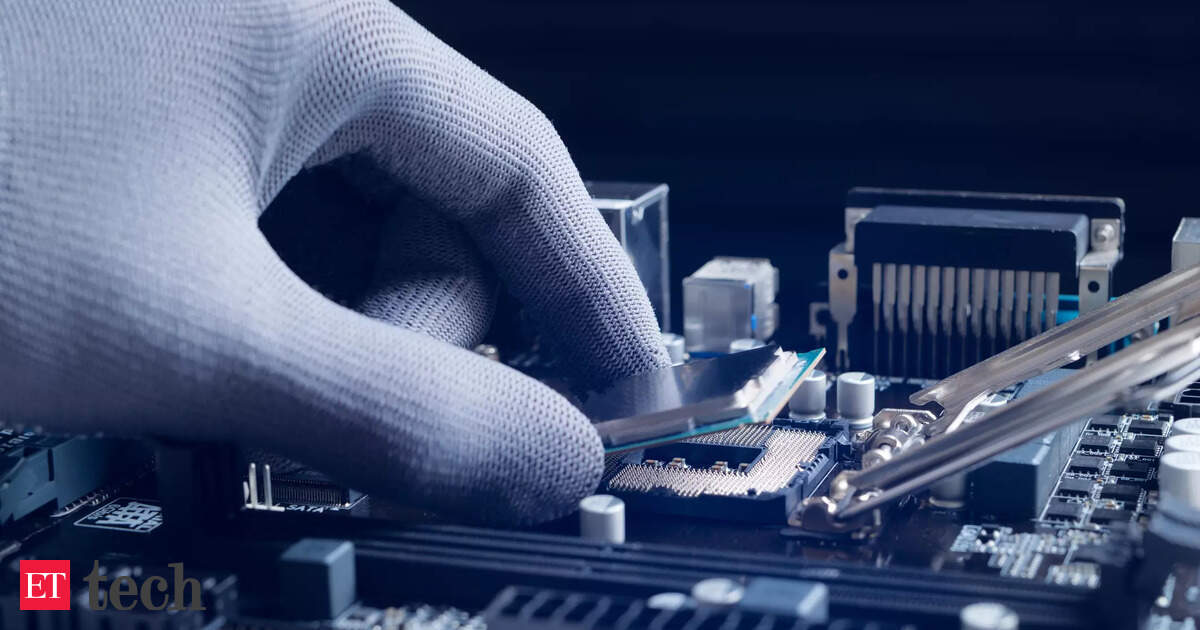
Silent embedded PCs represent a significant advancement for industries where reliability, noise reduction, and operational efficiency are paramount. At PSB GmbH, we apply decades of engineering expertise to develop and manufacture completely fanless PC solutions tailored for demanding industrial and medical environments. Our systems are not only whisper-quiet but also engineered for maximum durability and efficiency, integrating components that withstand extended temperature ranges and meet rigorous industrial-grade standards. By focusing on robust design and in-depth testing, we ensure our solutions maintain peak performance even under challenging conditions. Every project is approached with a customer-centric mindset, allowing us to adapt our technology precisely to unique application needs. Through our independent, manufacturer-neutral strategy, we deliver embedded PCs that lead the industry in both innovation and reliability.
What is a Silent Embedded PC?
A silent embedded PC is a specialized computer system designed for quiet operation, typically achieved with a fanless design and the elimination of moving parts such as traditional hard disk drives (HDDs) or fans. Instead, these systems rely heavily on passive cooling methods—including heatsinks and heat pipes—to manage heat dissipation without generating mechanical noise. This makes them ideal for environments where noise reduction and long-term reliability are critical, such as in industrial automation, medical technology, and laboratories.
Unlike standard PCs, silent embedded PCs frequently feature:
- Enclosed, rugged chassis for dust resistance and durability
- Cable-less or one-piece design for improved shock and vibration resistance
- Low-power ARM/x86 processors tailored for continuous real-time operations
- Compact form factors, maximizing adaptability in space-constrained scenarios
For example, a noiseless computer in a laboratory setting ensures sensitive instruments aren’t disturbed by PC noise, and system reliability is not compromised by fan failures.
Why Choose Fanless Embedded PCs?
Fanless embedded PCs cater to demanding industrial and commercial applications where quiet operation, robustness, and low maintenance are paramount. The advantages of choosing a fanless embedded PC extend to several critical areas:
- Silent Operation: Without fans or moving storage, noise levels are negligible—essential for noise-sensitive environments like medical offices, labs, and cleanrooms. Read how ultra-quiet solutions are used in specialized fields in our Dental PC Systems Efficiency Guide.
- Extended Lifespan: The absence of fans and spinning hard drives reduces wear and tear, lowering the chances for mechanical failure. This translates into longer service life.
- Maintenance-Free: No moving parts mean less dust accumulation and no need for regular cleaning or part replacements.
- Rugged Durability: Engineered for harsh conditions, they often boast high shock/vibration tolerance and operate across a wide temperature spectrum—ideal for field deployments.
- Energy Efficiency: Passive cooling and low-power components reduce overall power consumption, positively impacting energy costs and environmental sustainability.
Choosing a fanless mini PC is also an investment in lifecycle cost-savings, since reduced maintenance and downtime directly lower the total cost of ownership.
Core Components for True Silence
Passive Cooling Technology
The essence of a fanless embedded PC lies in its passive cooling system. High-grade heatsinks and occasionally heat pipes are integrated directly into the chassis or processor mounts, dissipating heat without relying on air flow from fans. Some models use an all-metal, finned exterior as one large heatsink, maximizing thermal transfer while maintaining silent operation. For specific applications, low-noise rack PCs offer innovative thermal management in IT rack environments.
Cable-less and One-Piece Designs
Industrial-grade cable-less designs and one-piece chassis architecture enhance durability further. By reducing internal wiring and using direct PCB connections, the chances of connection failures due to vibration or dust intrusion are minimized. These features—alongside sealed enclosures and robust input/output (I/O) options—help create a rugged embedded computer suitable for field deployment.
Solid-State Drives (SSDs)
Modern fanless embedded PCs rely on SSDs instead of traditional HDDs. SSDs, as solid state devices, generate virtually no noise and handle shock and vibration far better than spinning disks. This further enhances the quiet operation and reliability of the system—an important factor for quiet industrial PCs in manufacturing lines and field equipment.
Low Power, High Efficiency Components
To maintain their silent and energy-efficient profile, silent embedded PCs use low-power CPUs (such as Intel Atom, ARM-based SoCs), and carefully selected low-noise components. This ensures the system can run 24/7 with minimal power drain—critical for energy-conscious applications.
| Design Characteristic | Fanless Embedded PC | Fanned PC |
|---|---|---|
| Noise Level | < 21 dB (near silent) | 30-50 dB (noticeable fan noise) |
| Durability | Rugged, dust/vibration/shock resistant | Susceptible to fan/HDD failure and dust clogging |
| Power Consumption | 5–30 W (typical) | 40–150 W (typical) |
| Maintenance | Almost none | Regular fan/HDD cleaning/replacement |
| Operating Temp Range | -20°C to +70°C (wide range) | 0°C to +40°C |
Top Applications and Use Cases
Industrial Automation and Control
Silent embedded PCs are the backbone of modern industrial automation. Thanks to their ruggedness and fanless, dust-resistant designs, they can be installed on shop floors, inside control cabinets, or in outdoor kiosks. Their quiet operation prevents disruption to automated processes and allows reliable real-time computing for machinery, SCADA systems, and robotics.
Medical and Laboratory Environments
Hospitals, dental clinics, and labs benefit from the quiet operation and hygienic design of fanless embedded PCs. Silent function is vital in patient-facing equipment and analyzers, where distractions or airflow could negatively impact sensitive results. Detailed insights into such implementations can be found in the Dental PC Systems Efficiency Guide and the guide to noiseless laboratory computers.
Transport and Edge Computing
In vehicles, trains, and edge IoT nodes exposed to vibration and varying temperatures, rugged fanless embedded PCs keep transportation infrastructure running smoothly. These systems provide real-time data processing, monitoring, and communication—even in dusty, high-shock environments where fanned PCs would fail.
IoT and Smart Infrastructure
Thanks to their small form factor and power efficiency, fanless mini PCs are widely used for IoT gateways, smart city infrastructure, and 24/7 digital signage controllers. Their reliability and low maintenance requirements make them well-suited for remote deployments without easy physical access. Learn more about compact industrial computing solutions in our Fanless Box PC Guide for Industry & IoT.
Selecting the Best Silent Embedded PC
Key Selection Criteria
- Passive Cooling Effectiveness: Assess the size, design, and material of the heatsink and case.
- Wide Temperature Tolerance: Required for installations in uncontrolled environments (look for -20°C to +70°C support).
- Shock & Vibration Resistance: Mandatory for transport or industrial machinery control.
- Real-Time Processing Capabilities: Ensure the CPU and memory can handle time-sensitive applications.
- Industrial I/O Interfaces: Multiple serial (RS-232/485), USB, LAN ports, and GPIO for integration with field equipment.
- Compact, Mountable Form Factor: DIN-rail, wall, or VESA mounting options ease installation.
- Long-Term Availability: Choose vendor platforms with extended life cycles and hardware support.
Customizable Spec Builder Checklist
- Determine your target application (medical, transport, IoT, industrial automation).
- Calculate required compute power (ARM/x86, number of cores, real-time OS support).
- Define cooling, shock/vibration, and IP (ingress protection) rating needs.
- Specify I/O, storage (SSD/NVMe), network, and expansion requirements.
- Assess power supply options (DC-in, wide range, battery backup).
- Identify certifications (CE, FCC, EN60601 for medical, etc.) needed for your region.
For a tailored configuration, contact expert advisers or utilize a vendor’s online configurator.
Future Trends in Fanless Computing
Looking towards 2025, several developments are shaping the next generation of fanless embedded PCs:
- AI/ML Onboard: Edge AI accelerators (such as Google Coral or Intel Movidius) are being embedded for processing visual/voice data on-device, reducing latency and improving privacy.
- Deeper IoT Integration: Enhanced network stacks and wireless modules (5G/LoRa) are standardizing, allowing easier deployment in smart city, factory automation, and logistics settings.
- Advanced Passive Cooling: Materials science innovations—like vapor chamber heatspreaders—will boost thermal efficiency without raising chassis size.
- Ultra-Compact, Modular Designs: Increasing use of Single Board Computers (SBCs) and Systems on Chip (SoCs) for ultra-dense, stackable solutions, further shrinking footprints.
- Market Growth: Recent industry analysis projects a CAGR of 7-9% for fanless embedded PCs through 2025, driven by IIoT, smart healthcare, and transportation digitalization.
To stay ahead and ensure reliability in demanding environments, industrial buyers and solution architects should familiarize themselves with the essentials outlined in our comprehensive Fanless Industrial PCs: Reliable & Robust Solutions resource.
The significance of silent, fanless embedded PCs extends beyond lower noise levels—they pave the way for improved reliability, reduced maintenance, and greater longevity in critical operations. PSB GmbH’s long-standing experience in designing custom hardware, supported by thorough burn-in testing and scalable production capabilities, ensures our customers can depend on each system even in the harshest environments. Our collaborative and flexible development processes allow us to provide solutions that are not just technically superior but also tailored to real-world requirements. Looking ahead, we remain committed to combining innovation with proven engineering to support customers’ evolving needs. Clients choosing PSB GmbH can trust in systems that consistently deliver silent efficiency and lasting performance where it matters most.


