


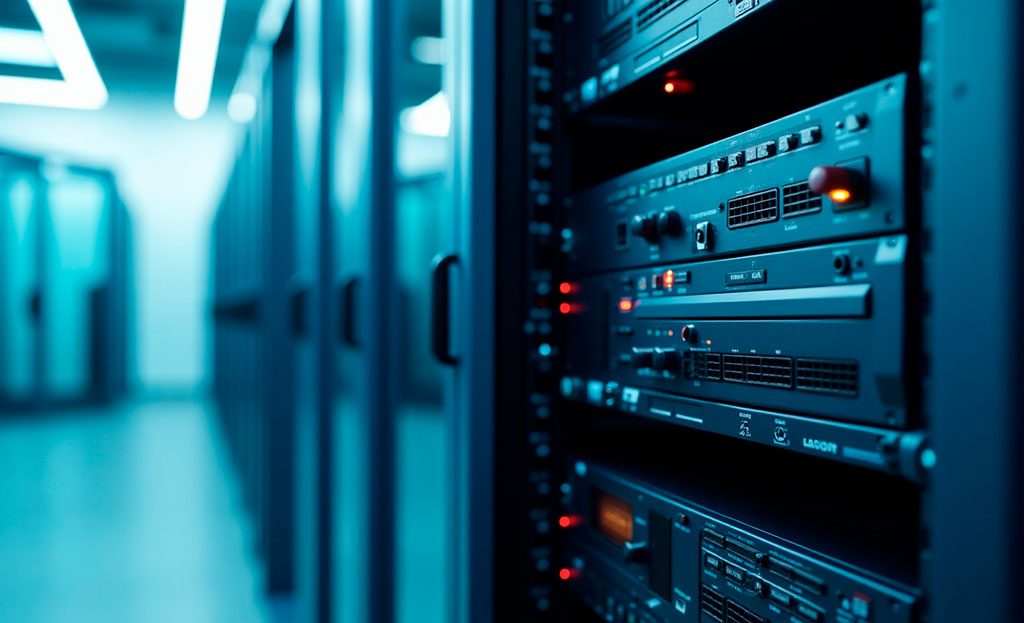
At PSB GmbH, ensuring electromagnetic compatibility (EMC) is an essential cornerstone in the development and production of robust industrial and medical PC-based systems. Our engineering team leverages three decades of field-tested expertise, utilizing advanced EMV test computers and processes that address the specific regulatory and operational challenges of demanding environments. Through rigorous in-house EMC testing, including the careful selection of measurement tools and monitoring over multiple production runs, we verify consistent system reliability and compliance. By integrating state-of-the-art measurement techniques and best practices right from the design phase, we can anticipate and control interference risks early on. Each project benefits from our adaptable, manufacturer-neutral approach that prioritizes precise alignment with customer and application requirements. Our commitment is not only to meet but to exceed industry standards for electromagnetic compatibility, ensuring reliable performance for our clients’ mission-critical operations.
What is an EMV Test Computer?
An EMV test computer is a specialized system designed to emulate and validate payment terminal environments. It plays a crucial role in the EMV certification process by enabling developers, quality assurance engineers, and compliance officers to conduct rigorous EMV Level 1/2/3 testing. Typical test computers combine hardware—often in the form of an industrial-grade PC or a rugged, portable workplace computer—and a comprehensive suite of EMV testing tools, including simulators, protocol analyzers, and security modules.
EMV test computers facilitate the validation of electrical parameters as specified by standards such as ISO/IEC 7816 (for contact smart cards) and ISO/IEC 14443 (for contactless cards). Moreover, their environment supports the testing of transaction cryptography, communication between the kernel and smart card, APDU exchanges, TLV string formatting, and more. These systems serve both acquirers and issuers in streamlining the full EMV compliance and certification workflow.
EMV Testing Levels Explained
The EMV certification is divided into three main levels, each addressing different components and aspects of the payment system. Understanding their scope is pivotal for any organization aiming for reliable payment terminal testing and secure operation.
Level 1 (Physical and Electrical)
EMV Level 1 certification covers the physical and electrical characteristics of smart card readers. It focuses on compliance with ISO/IEC 7816 and ISO/IEC 14443 protocols, ensuring the card reading hardware functions reliably under diverse conditions. Electrical parameters such as signal integrity, voltage levels, and communication timing are tested in regulated testing laboratories. This level underlines the hardware’s ability to read and interact with EMV cards safely and consistently.
Level 2 (Kernel and Software)
At Level 2, the emphasis shifts to the kernel—the essential software module handling transaction logic, APDU command flow, and cryptography. Kernel testing ensures correct execution of commands, secure authentication processes, and adherence to EMV and card scheme requirements. Testing often involves a suite of scripts and test cases simulating various real-world transaction scenarios, including both contact and contactless smart cards.
Level 3 (Integration and End-to-End)
Level 3 certification tests the integration of the payment terminal into the broader payment ecosystem—validating communication with acquirers, host systems, and backend processing. Here, end-to-end transaction flows, including EMV Authorization, data formatting (such as DE055 and TLV strings), and compliance with security standards are thoroughly examined. Level 3 often evaluates the user experience, including frictionless versus challenge flows as found in modern EMV 3DS authentication, closely mirroring production environments with host simulation and robust test suites.
Essential EMV Test Tools and Simulators
Modern EMV test computers are equipped with a range of purpose-built EMV testing tools. Selecting the right combination, often tailored to your specific industry needs and regulatory requirements, is crucial for effective and repeatable validation.
- EMV Simulators: Tools that emulate card behavior and transaction flow. These can reproduce both card and terminal perspectives, allowing flexible scenario-based tests. They often support scripting, covering fringe cases and rare card ranges.
- Test Suites and Automation: Comprehensive suites—loaded with hundreds of scripts ready for Level 1/2/3 validation—are essential for repeatability and consistency. These cover everything from electrical compliance to deep-dive software logic and protocol adherence.
- Host and Issuer Simulators: Required for Level 3, host simulators mimic the acquirer or issuer backend, testing integration, EMV Authorization flows, and real-world settlement scenarios.
- Protocol Analyzers: These capture and visualize the exchanged APDU commands, TLV strings, and EMV transaction data in real time, helping with debugging and ensuring protocol compliance.
- Test Servers for EMV 3DS: Specifically used for authentication and cardholder verification, these servers help test both frictionless flow and challenge flow authentication scenarios.
To house and secure these components, many organizations leverage robust hardware such as an industrial PC cabinet, ensuring environmental protection and organized deployment for long-term use.
Step-by-Step EMV Test Computer Setup
Setting up an EMV test computer is a multi-stage process that demands attention to technical details and regulatory expectations. The following checklist ensures a reliable and efficient setup that supports the EMV certification process:
- Hardware Selection
Choose a stable and reliable platform, ideally a tested, robust system such as a EMC-tested industrial PC or a rugged, portable workplace computer. Consider future-proof options that offer long-term component availability, such as those described in embedded PC long-term availability solutions. - Install Operating System and Drivers
Set up an OS compatible with your EMV testing suite (often Windows or Linux), ensuring all drivers for card readers and peripheral devices meet vendor and certification requirements. - Deploy EMV Simulators and Test Tools
Install the selected EMV simulator, protocol analyzers, test suite, and any automation scripting tools. Ensure they are updated to the latest compliance releases. - Configure Card Readers and Communication Interfaces
Connect contact and contactless card readers, ensuring they comply with ISO/IEC 7816 or ISO/IEC 14443 as required. Verify interface parameters and run initial connectivity checks using sample smart cards or virtual card simulators. - Load and Customize Test Suites
Import relevant EMV test suite scripts for Level 1/2/3 scenarios. Customize the suite as needed for specific card ranges, terminal types, and issuer/acquirer requirements. - Integrate Host Simulation
If performing Level 3 evaluation, configure host simulation software to replicate backend authorization and settlement processes. Sync network configurations and test communication end-to-end. - Validate and Document Test Environment
Run baseline tests, collecting logs and confirming correct operation across all layers. Document the environment—including hardware models, firmware versions, tools, and configurations—to support audit trails and compliance reviews. - Prepare for Testing Laboratory Submission (if certification is pursued)
If aiming for official EMV certification, ensure your environment replicates laboratory requirements. Prepare test logs, scripts, and system documentation for lab submission.
For organizations that require on-the-go validation or lab flexibility, integrating the system into a mobile workstation laboratory offers mobility without compromising compliance or test coverage.
Best Practices for EMV Testing
Adhering to best practices ensures not only successful EMV compliance but also robust terminal performance and a smoother path through the EMV certification process:
- Automate Routine Tests: Use scripting and automation within the EMV test suite to cover regression, protocol compatibility, and scenario repetition. This minimizes human error and speeds up the test cycle.
- Validate Protocol Compliance: Regularly confirm that test results align with latest EMV specifications, especially ISO/IEC 7816, ISO/IEC 14443, and payment network mandates.
- Isolate and Document Issues: When problems are found, capture detailed logs with traceable APDU, TLV string, and cryptography outputs. This supports quicker fixes and regulatory reporting.
- Keep Test Tools Updated: Ensure simulators, analyzers, and firmware are current to address new fraud vectors and evolving EMV mandates.
- Secure the Test Environment: Use secure, dedicated hardware—potentially within a secure PC cabinet—to prevent unauthorized access and data leakage, especially when handling real payment credentials.
- Prepare for Adaptive Testing: Adjust test coverage based on observed payment trends, new card types, or regulatory changes. This may include simulating advanced 3DS authentication or handling novel card reading edge cases.
Frequently Asked Questions
What is the difference between an EMV test computer and standard testing platforms?
An EMV test computer is purpose-engineered for payment environments, featuring certified card readers, robust hardware, and tight integration with EMV testing tools and simulators. Unlike general platforms, it supports protocol-compliant smart card interfaces, specialized logging, and security validation for compliance processes. For added reliability in demanding environments, organizations may opt for dedicated systems like a EMC tested industrial PC.
Can I use a mobile or portable EMV testing solution?
Absolutely. Many companies use portable workplace computers or mobile workstation laboratories when they need to conduct on-site, field, or lab-based EMV validation. These solutions combine the full power of EMV simulators and test suites with mobility and ruggedness.
How often should I update my EMV test suite and simulation tools?
Updates should align with major EMVCo specification releases or when payment schemes update their requirements. Frequent updates are recommended to keep pace with security patches, bug fixes, and support for new card types, including evolving EMV 3DS authentication flows.
Is hardware redundancy important for EMV testing environments?
Yes, redundancy—such as backup card readers, duplicated simulators, and failover computing—ensures continuity during high-value validations or when submitting for EMV certification. Solutions with long-term availability, like those described in embedded PC long-term availability, can be essential for sustained certification operations.
Do I need a laboratory environment to use EMV test computers?
While a laboratory offers optimal environmental control and security, you can deploy test computers in field or semi-mobile settings, providing you implement proper access, security, and documentation protocols. Solutions such as industrial cabinets or portable systems can help meet compliance and organizational requirements. For added flexibility and compliance, consider a mobile workstation laboratory or industrial PC cabinet.
The continuous optimization of EMV test computer processes is integral to delivering reliable, long-lasting solutions for complex industrial and medical environments. Our customers rely on PSB’s thorough understanding of EMC best practices, from initial concept to end-of-line quality assurance, to safeguard the performance and longevity of their systems. Experience gained over decades informs our ability to implement tailored EMC strategies, adapt to evolving regulatory demands, and integrate new testing technologies. As industry requirements grow more stringent, PSB GmbH remains committed to rigorous validation and innovation in EMC, underscoring our role as a trusted engineering partner. We look forward to further advancing EMI resilience together with our clients, delivering customized hardware solutions that push the boundaries of reliability and safety.


