


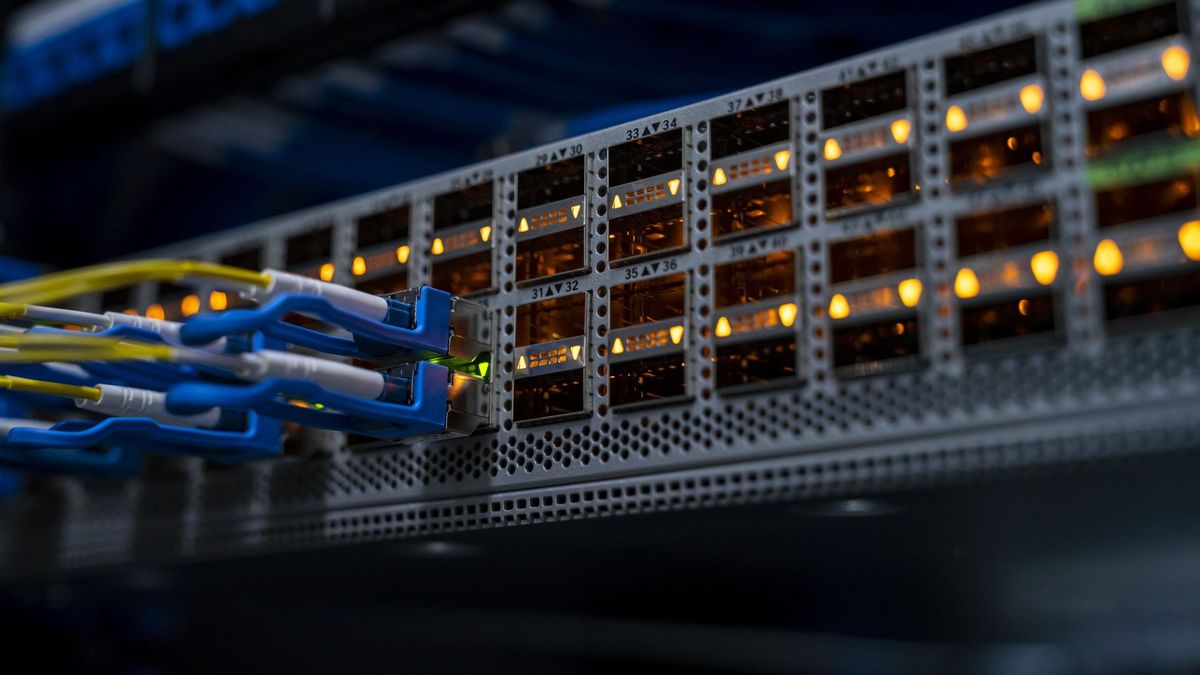
Electromagnetic compatibility (EMC)-protected computer systems are essential to ensure reliable and interference-free operation, particularly within industrial and medical environments where compliance with legal requirements is critical. At PSB GmbH, we understand the complex interplay of standards, regulations, and practical challenges involved in developing robust PC-based solutions for these demanding settings. With extensive experience designing systems for use in electrically noisy and safety-critical environments, our engineering teams focus on integrating advanced filtering, shielding, and rigorous testing at every stage of production. We prioritize not only technical functionality but also adherence to relevant EMC standards, ensuring our customers meet both operational needs and legal obligations. By approaching each project with a manufacturer-neutral perspective, we deliver tailored solutions that address unique project requirements while delivering peace of mind in regulatory compliance. As a trusted partner, PSB GmbH is committed to developing hardware that stands up to the realities of industrial use and evolving legal frameworks.
What Does EMV Protection Mean for Computers?
EMV, or electromagnetic compatibility, is a foundational concept for the design and deployment of modern computers, especially in professional and industrial environments. EMV-protected computers are engineered to operate reliably in the presence of electromagnetic interference, ensuring that their function is not disturbed by external electromagnetic fields and that they themselves do not emit excessive electromagnetic radiation. This is critical for environments where sensitive electronics are in close proximity or where regulatory compliance is mandatory.
Ensuring electromagnetic compatibility in computers means: mitigating unwanted emissions (also known as radiated or conducted interference), ensuring immunity to disturbances, and maintaining safety for both users and devices. This is especially vital for industrial computers, medical equipment, and computers used in transportation and automation.
Key Concepts: Disturbance Emission and Immunity
- Störstrahlung (Emission): The unwanted release of electromagnetic energy by a device, which can affect other electronics nearby. For example, a poorly shielded PC can disrupt wireless sensor communications.
- Immunität (Immunity): The computer’s ability to withstand electromagnetic energy from external sources, like radio transmitters or other machinery, without malfunctioning or data loss.
With the rise of Industry 4.0, computers are ever more tightly integrated into operational technology. Selecting an EMV-certified Industrial PC is essential for ensuring continuous, reliable processes.
Legal Foundation and Standards for EMV-Protected Devices
The operation of EMV-protected computers is not just a technical preference, but a regulatory necessity in many regions. The European Union, for example, requires all electronic equipment to comply with the EMC Directive (EMV-Richtlinie, 2014/30/EU). In addition to the European standard, the United States and other countries place requirements like the FCC Part 15 for emission control.
Essential Standards and Certifications
- CE Certification (Europe): Devices sold in Europe must bear the CE mark, which attests to their compliance with the relevant EMV standards and directives.
- FCC Certification (USA): Ensures that electronic products meet emission limits set by the Federal Communications Commission.
The EMV-Zertifizierung process involves rigorous testing for both risk of interference and robustness against disturbances. Devices are subjected to a variety of tests according to the EN 55032 (emission) and EN 55035 (immunity) standards. For specialized equipment, additional requirements may apply, such as those for cleanroom-ready computers operating in sensitive environments.
| Certification | Region | Focus |
|---|---|---|
| CE Mark (EMV) | Europe | Emission & Immunity |
| FCC Part 15 | USA | Emission |
| IEC 61000 series | International | Emission & Immunity |
Technical Measures: Enclosures, Shielding and Components
Practical EMV protection is achieved primarily through the physical design of the computer, especially the enclosure (Gehäuse) and the use of shielding techniques. Effective shielding prevents emitted interference from escaping and blocks external interference from entering sensitive electronic circuits.
Shielded Enclosures and Their Importance
A well-designed EMV-compliant enclosure is constructed using conductive materials (such as aluminum or steel) that form a “Faraday cage” around the sensitive electronics. Critical contact points are secured using contact springs (Kontaktfedern) or conductive gaskets to ensure electrical continuity. Fanless panel PCs are a good example: by eliminating ventilation holes and using solid, robust shielding, they effectively block unwanted electromagnetic waves while also offering physical protection against dust or moisture.
Other Key Technical Measures
- Cable Glands (Kabelverschraubung): Special EMC glands prevent interference from entering via cables or antennas. They ensure a continuous shield between internal components and external connections.
- PCB Layout and Grounding: Correct printed circuit board design minimizes loop area and uses star grounding to reduce susceptibility. Placement of decoupling capacitors is also vital for suppressing high-frequency noise.
- Filtered Connectors and Ferrites: External ports are often equipped with filters or ferrite cores to block high-frequency interference. This is especially important for USB, Ethernet, or power supply lines.
Integrating these measures is standard practice in demanding environments such as manufacturing plants or laboratories, where robust industrial PCs for continuous operation are deployed.
EMV Testing and Certification: Process and Benefits
To ensure that computers meet strict EMV requirements, comprehensive EMV testing (or EMC testing) is essential. These tests are conducted in accredited laboratories and simulate both emissions and immunity scenarios according to applicable standards.
Typical EMV Testing Steps
- Pre-Compliance Testing: Early checks during product development to identify potential issues.
- Final Laboratory Testing: Assessment of emissions and immunity in certified test chambers.
- Documentation: Compilation of test results and the creation of a declaration of conformity for the CE marking or similar certifications.
The advantages of EMV certification include legal compliance, product safety, marketability, and reduced warranty claims. Products with verified EMV characteristics minimize the risk of field failures and disturbances to critical infrastructure.
| Step | Description |
|---|---|
| Design Review | Identify and correct EMV weak points |
| Testing | Simulate emission and disturbance immunity situations |
| Reporting | Prepare conformity documents |
Especially for cleanroom computers requiring IP65 protection, EMV testing is performed under specific environmental conditions, ensuring suitability for sensitive applications.
Typical Application Areas for EMV-Protected Computers
The need for EMV-protected computers spans a variety of sectors, from heavy industry to medical technology and transportation. Each sector imposes unique EMV-related challenges and standards.
- Industrial Automation (Industrie-PC EMV): High electromagnetic interference due to heavy-duty motors and machinery, making robust EMV shielding and testing a must. 24/7 industrial computers are prime examples.
- Medical Technology: Devices must not interfere with life-support systems or sensitive diagnosis units. Stringent EMV requirements are combined with other safety standards.
- Cleanroom and Pharmaceutical Environments: Computers like IP65 cleanroom-capable PCs are equipped for both EMV and hygiene requirements.
- Transport and Mobility: Computers in trains, buses, and planes are exposed to strong electromagnetic fields, demanding above-average immunity and low emissions.
- Public Infrastructure: Shielded systems help prevent interference with communication networks in airports, hospitals, and power plants.
The rising integration of computers into every facet of professional life highlights the importance of tailored EMV solutions, as discussed in depth in our fanless embedded systems overview.
FAQ: Common Questions about EMV and Computer Technology
What is the difference between emission and immunity?
Emission describes the unwanted electromagnetic radiation a device creates, while immunity means the device’s resistance to external electromagnetic interference. Both criteria are equally important in ensuring reliable operation in mixed electronic environments.
Why is EMV protection necessary for industrial computers?
Industrial environments are rife with electrical noise from motors, inverters, and switching devices. Industrial PCs with EMV protection prevent malfunctions, costly downtime, and data errors caused by external interference or their own emissions.
How do I recognize an EMV-protected computer?
Look for devices with a valid CE marking (EMV) and detailed technical documentation regarding emission and immunity ratings. Manufacturers should supply conformity declarations and test reports on request.
What practical benefits does EMV certification offer?
- Legal compliance: Guarantees market access in regulated regions.
- Reduced risk: Minimizes malfunctions and warranty claims.
- Improved reliability: Promotes stable, uninterrupted operation in challenging conditions.
What role do cable glands and contacts play in EMV shielding?
They are crucial in maintaining the integrity of the enclosure’s electromagnetic barrier. EMV-grade cable glands and properly installed contact springs prevent leaks in the shielding, ensuring the interior electronics are protected from external electromagnetic fields.
Are there specialized EMV solutions for cleanrooms or silent workplaces?
Yes. Fanless industrial panel PCs and IP65-rated computers for cleanrooms integrate seamless enclosures and advanced shielding, meeting both EMV and cleanliness requirements while operating silently.
The requirements for EMC protection are not mere formalities but fundamental to the safe and uninterrupted use of industrial and medical computer systems. PSB GmbH’s long-standing expertise in implementing EMC-compliant solutions reflects our commitment to safety, reliability, and operational excellence. Our comprehensive approach—from design to burn-in testing—ensures that every system performs reliably, even under the strictest regulatory environments and harshest operating conditions. Customers benefit from our deep engineering know-how, flexible manufacturing capabilities, and ongoing support throughout the lifecycle of their systems. Looking ahead, we remain dedicated to combining technical innovation with compliance, enabling our clients to meet current and future challenges with confidence.


